November 13, 2004
Gram Parsons: a musical note
I listened to the Rolling Stones 1971 Sticky Fingers CD today. I haven't heard it in a decade or so. This album is generally approached from the perspective of rock music, celebratory culture, the facile nihilism of sending dead flowers, radical drug chic, and living the rock star excesses of the 1970s.
That approach is a sort of proto-Batillian approach to rock and roll often mixed the politics of anarchy. You know, the Lester Bangs, surrealism, psychosis and death style of writing; with its romantic sense of being betrayed by the sellout to the culture industry, and the hero ending up like Ozzie Osbourne on reality TV.
This time I approached Sticky Fingers from left of field, after listening to the Byrd's Sweethearts of the Rodeo CD.
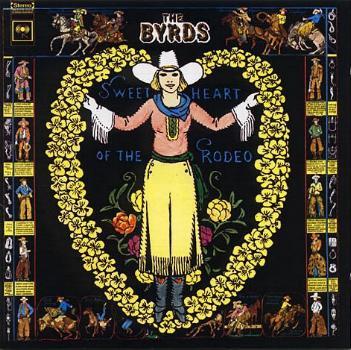 What I listened to was the 1997 CD reissue of the album, which improves on the original with its eight strong bonus tracks, including four cuts with Gram Parsons singing lead).
And then I listened to the solo albums of Gram Parsons.
You can see Parson's influence on the Rolling Stone's classic Sticky Fingers, even though that quality album is very much slow, bluesy, druggy music. "Wild Horses" is a very good country song, up there with Parson's work, such as 'Hickory Wind' and 'In my Hour of Darkness.' I presume this influence of Parsons is due to Keith Richards having greater musical control over Sticky Fingers. I presume the same situation happened with Exile on Main Street, as this album of pain and despair mostly approached rock music from country blues.
Parson's work on the bonus tracks on Sweethearts of the Rodeo certainly broke though the limits of the Byrd's Sweetheart's pioneering country rock. For all their embrace of country music, the Byrds remained the Byrds,and they never broke free from their past. It was Parsons who broke new ground with his own songs and his rich emotional interpretations of old country material that made them sound so contemporary. Since the Byrd's innovative song writing had pretty much dried up, the band on Sweethearts of the Rodeo were a launching pad for the creation of a new kind of music. It was Gram Parsons who took the next step and became the country-rock pioneer.
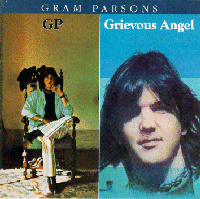 Gram Parson's two solo albums (GP/Grievous Angel) are an influential body of work. He was a good songwriter whilst his creative musical abilities made country sound more like rock & roll, and gave rock a sense of country's history. I have yet to hear the work Parson's did with 'The Flying Burrito Brothers', especially the debut The Gilded Palace of Sin.
None of this innovative music is mentioned in Greil Marcus' Mystery Train--he is too focused on Dylan, The Basement Tapes and the Band. This is a pity because this country rock moment--the 5 years from the 1968 Sweethearts to the 1973 Grievious Angel--represents the creative joy of making music as distinct from the culture of show business and the hard-core, lucrative industry business of promotion for profit by the culture industry.
That moment of country rock music steeped in Americana and historical and mythic American imagery was wider than the work of Dylan and The Band. See the fine post by Francis Xavier Holden on Willie Nelson's early album Redheaded Stranger