October 31, 2013
UK Photography: Marc Wilson's The Last Stand
Photography is well suited for representing something before time erases it.
An example is Marc Wilson’s landscape series The Last Stand consists of photographs of the physical remnants of war in the 20th century in the UK and northern Europe. These man made objects and zones of defence now sit silently in the landscape, imbued with the history of the recent past.
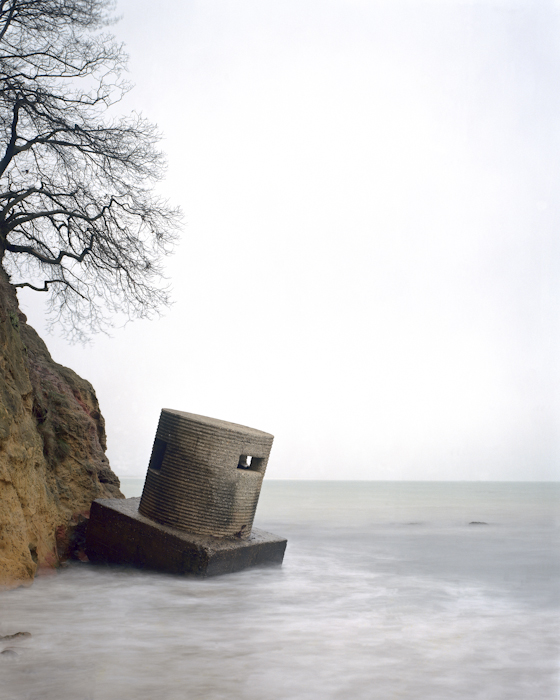 Marc Wilson, Studland Bay I, Dorset, England. 2011
Beginning with extensive two year period of research that encompassed over 200 potential locations across the UK and Europe; Wilson finally narrowed his research to 75 locations that he would photographed between 2010 and 2012 — during which time he would travel over 10,000 miles.
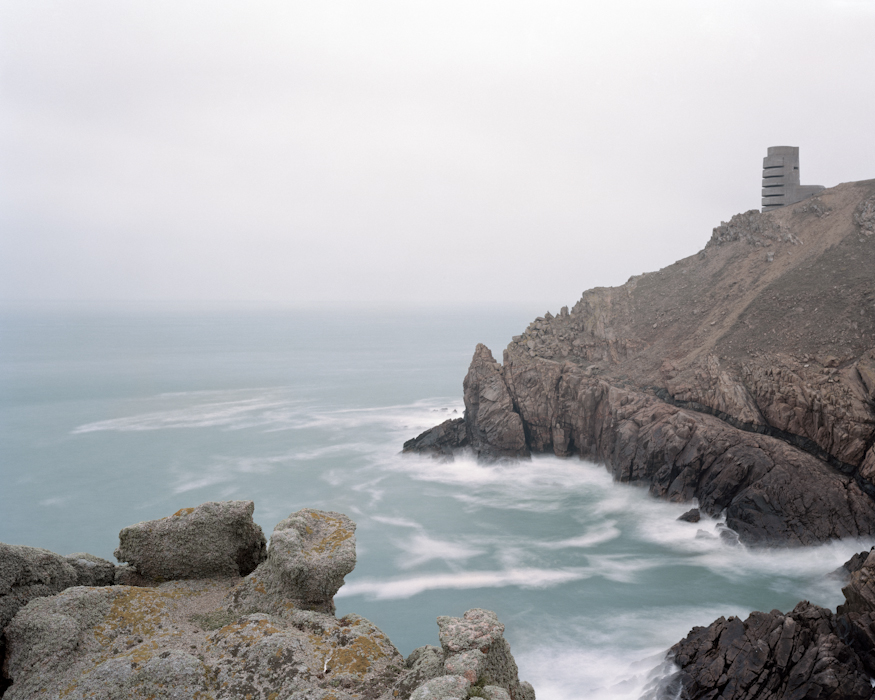 Marc Wilson, Les Landes, Jersey, The Channel Islands. 2013
The Last Stand consists of photographs of the network of military defences that are to be found dotted along the coast of the United Kingdom and northern Europe, and it is these fortified constructions — that vary in size from the anti-invasion obstacles found on many beaches to the vast gun emplacements of coastal defences----- still dot the coastlines of Britain and Europe.
Marc Wilson did not come to photography by following the normal route. It was whilst reading sociology at university [pursuing his studies in sociology] and studying the image as a means of communication between people, that his interest in photography started. What until then had been an object of research only, became the most appropriate medium allowing him to best explore this kind of history.
Wilson says:
This large body of work came out of a project I photographed about six years ago that included in its locations two of these coastal defences. From this my interest was sparked and further research into the subject matter in 2010 led me to realise the importance of producing this work, both as a document to the physical structures and their place in the shifting landscapes surrounding them, and as a stimulus for thought and reflection on the histories, and memories of these places. Underlying all of this, and shared by many others I am sure, are also my own connections to this period of history and its effects on individuals, families and whole cultures.
Wilson works with a tripod based 5 x 4 large format (Arca-Swiss camera) camera, colour negative film (Fuji 160 or Kodak 160) and high resolution scans for printing. This is not straight documentary photography. It is one that explore how these military structures have become part of the fabric of the landscape. Coastal erosion and the passing of time have altered the defence structures. They are slowly decaying. These military installations have become silent and the images are melancholic
October 30, 2013
Joshua Dudley Greer's American landscape
One of Joshua Dudley Greer's projects is Somewhere along the Line which was made from a series of extended road trips throughout the United States over a number of years. The project explores the landscape created by the Interstate Highway System, which has permanently altered the way we experience the landscape and in turn, each other. This highway system was built by leveling mountains, mowing down forests and circumventing rivers.
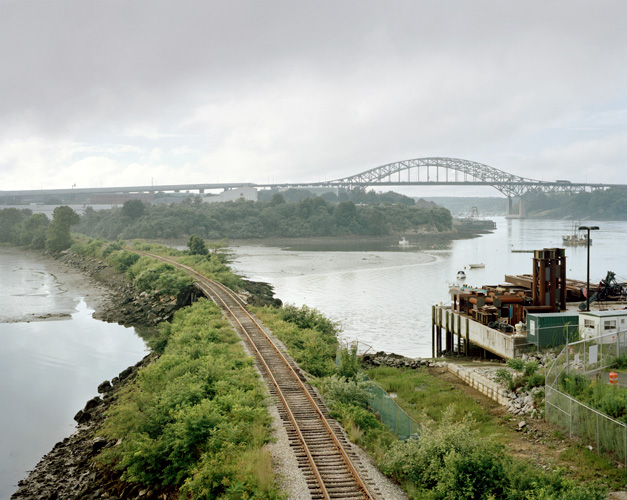 Joshua Dudley Greer, Portsmouth, New Hampshire, 2013
These are 8 x10 photographs of the ordinary or everyday landscape that is often overlooked or taken for granted and they suggest something that seems to be lurking under the surface of the mundane and banal. These are spaces that are “re-purposed” landscapes:
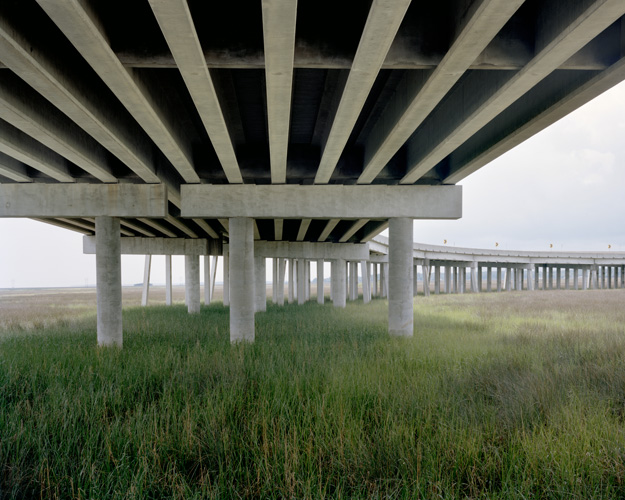 Joshua Dudley Greer, Savannah, Georgia, 2013
What is lurking is the way the landscape has been subordinated and dominated by the highway system that people now rely upon for their everyday existence.
October 29, 2013
UK Photography: Donovan Wylie
Over the last decade Donovan Wylie has been representing the surveillance and control architecture of the UK warfare state in Afghanistan. If one considers modern warfare as being also highly technological, what is striking in the images of these outposts is the archaic character of these small forts lost in a stony landscape. These are like lunar images in which no enemy is visible.
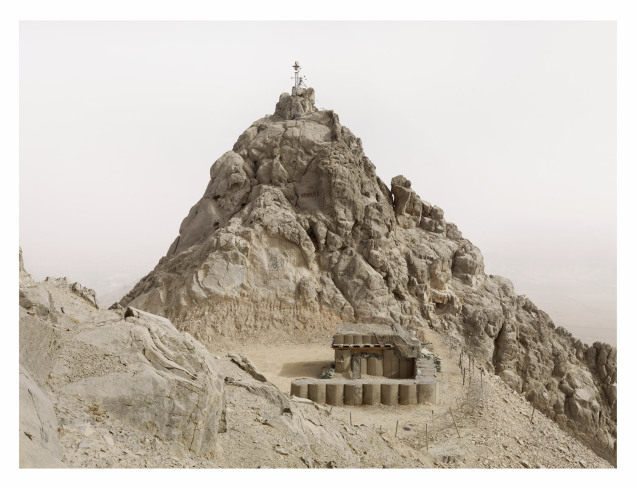 Donovan Wylie, Observation Post, FOB Ma sum Ghar, Kandahar Province, Afghanistan, 2011
Since the U.S.-led invasion of Afghanistan in the fall of 2001, NATO and Afghan troops have relied on outposts, tiny bases erected in some of the least hospitable terrain to ever see combat. The outposts are places of refuge; the troops sleep, fight and sometimes live behind their makeshift walls. Ihe first war of the 21st century was waged with the most sophisticated weaponry, these were often utilized from fortifications that have changed little throughout the centuries.
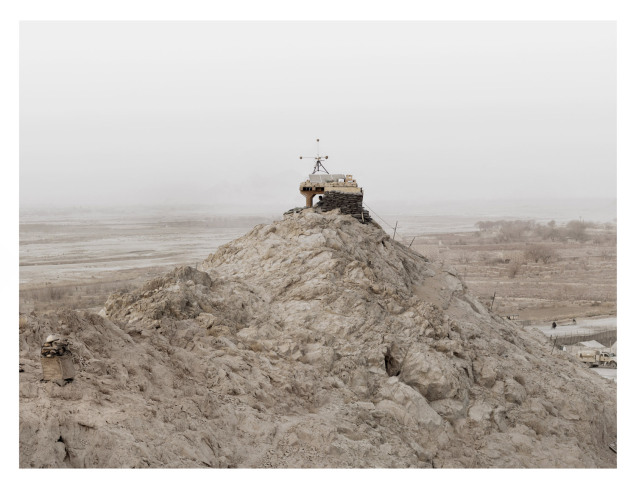 Donovan Wylie, Observation Post, location unknown, Kandahar Province, Afghanistan, 2011.
Because of their temporary construction, these outposts aren’t likely to survive, as Hadrian’s Wall and Masada, which beckon visitors as remnants of ancient war.
Wylie's images are presented in a very consistent way – low contrast, subdued colour, sharp from foreground to background, fairly central horizons and often includes human figures with heavy machine guns and armoured vehicles. The brown Afghan dust drapes over everything and the appearance of any other colour is relatively rare.
October 24, 2013
Jane Fulton Alt: Photography and Fire
Jane Fulton Alt is a fine art photographer in the living and working in the Chicago area. She had several artist residencies at Ragdale which is located in the former Howard Van Doren Shaw’s estate overlooking a beautiful prairie in Lake Forest, Illinois. During her first residency restoration ecologists from a local organization, the Lake Forest Open Lands, were conducting a small controlled burn on the property.
Her work in The Burn---a series of images of a controlled prairie burn---is poetic, surreal, mysterious as well as lyrical.
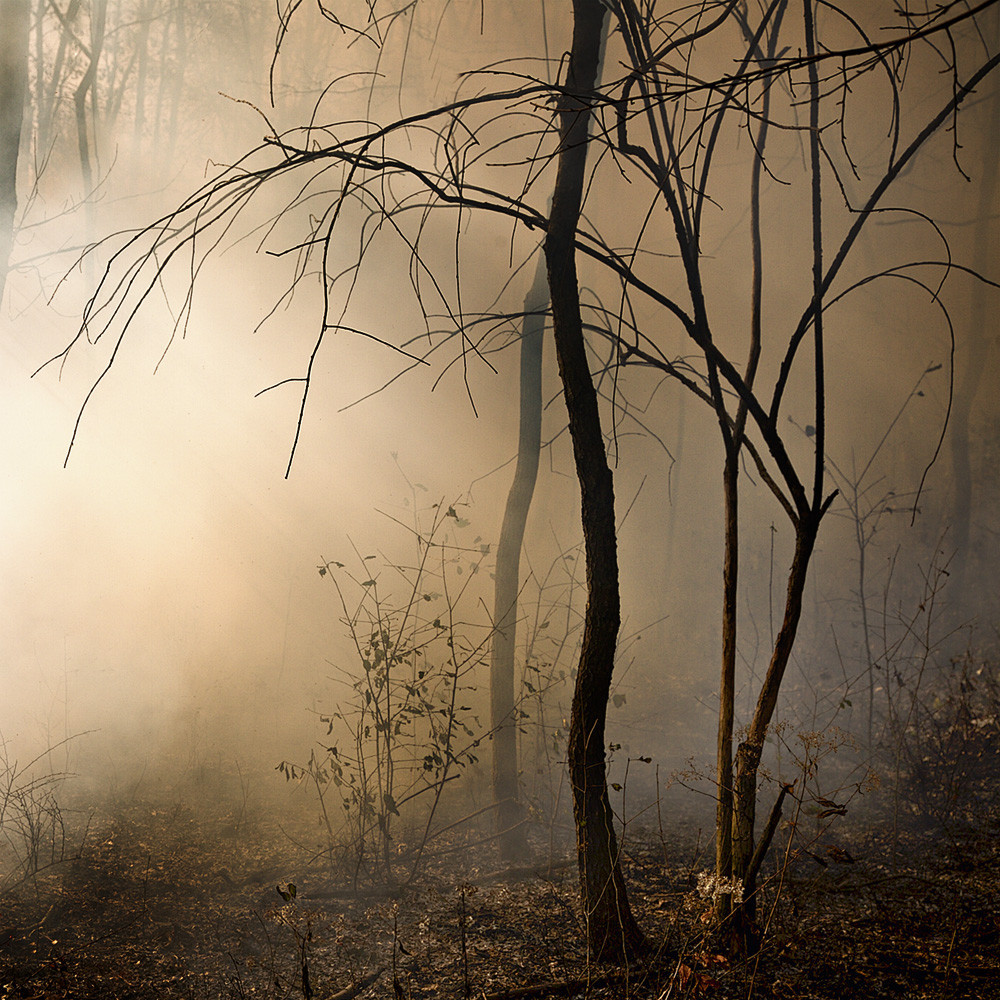 Jane Fulton Alt, Burn No. 56, Archival Pigment Ink Print
All of the properties are part of a land trust located in Lake Forest, Illinois and run by the Lake Forest Open Lands Association whose mission is to conserve the natural environment through land acquisition, habitat restoration, environmental education and conservation advocacy. They have acquired over 800 acres of local native landscapes, including prairies, savannas, woodlands and wetlands.
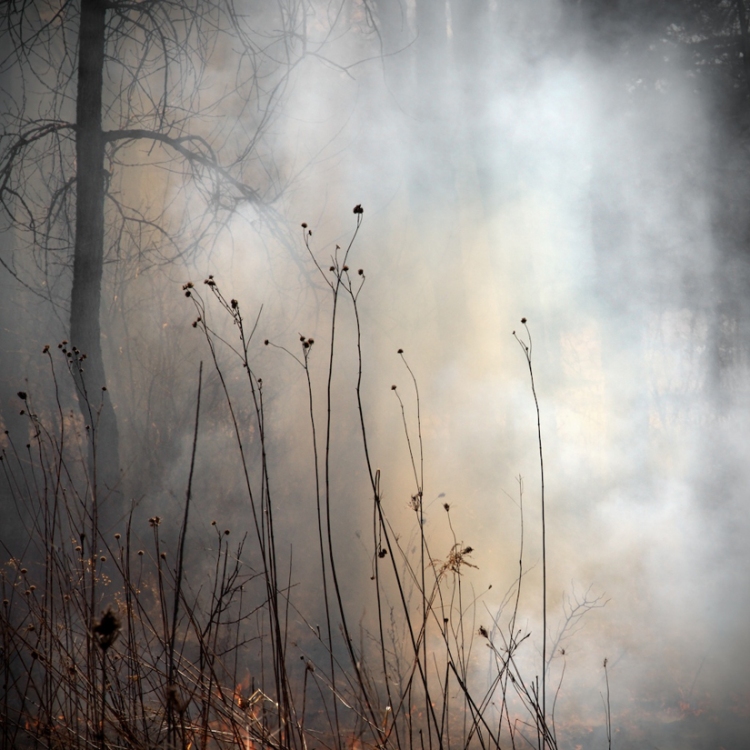 Jane Fulton Alt, Burn No. 99, Archival Pigment Ink Print
Fulton has been photographing this series for four years. It has resulted in books. Uncontrolled bush fires in Australia have a much darker aspect to them. Although the new bush comes out of the trees that are burnt and die, there is much destruction to human property, humans and to animals from a raging wild fire.
October 20, 2013
American Photography: Russell Joslin
Though Russell Joslin's photographic work was part of the core programme at the Ballarat International Foto Biennale
13 I didn't really take much notice of it. I scanned it quickly---too quickly because I didn't take it in.
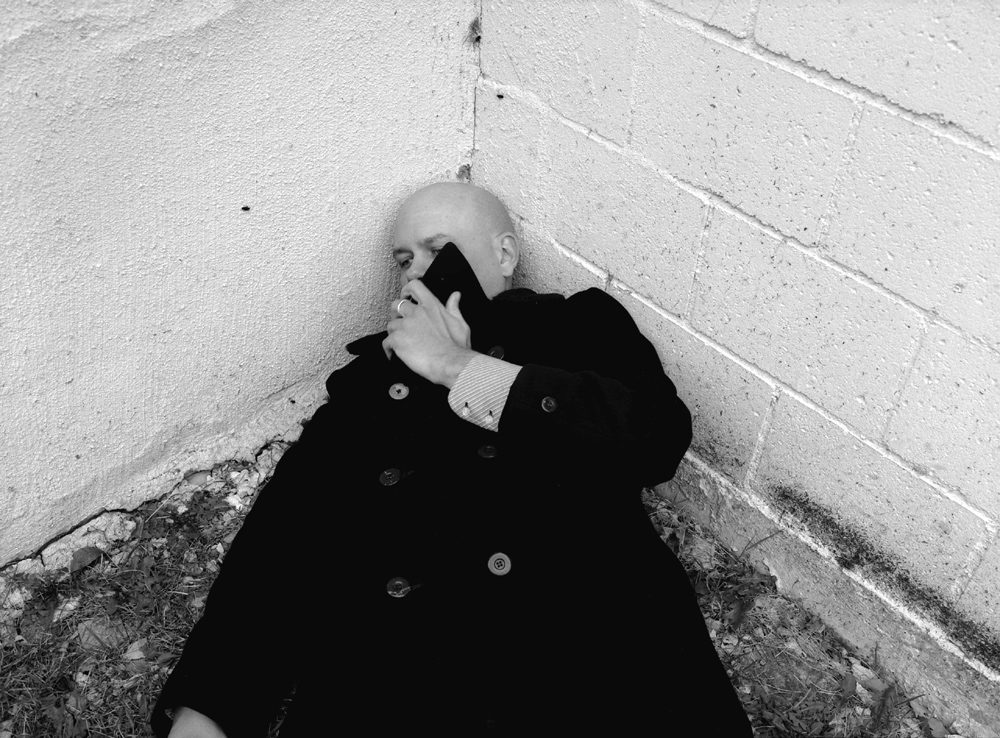 Russell Joslln, cornered, 2006, silver gelatin print
I didn't really connect because the works were mostly self--portraiture within the surrealist tradition. They more or less passed me by in spite of the quality of the black and white prints. I've had more time since then to have another look at the work---after gentle prodding from Doc Ross--- and Shots Magazine, which Joslin has been the sole Editor and Publisher of since 2000.
Joslin's self-portraits balance artistry and self-confession, thus creating a sense that we are intimate with his inner hopes, dreams and fears while being part of his veiled, cinematic otherworld.
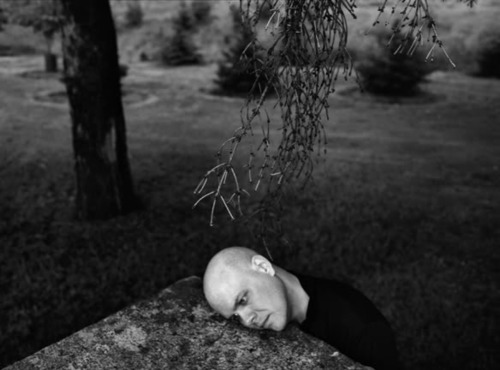 Russell Joslin, Lay your head down, no one will see, 2008, silver gelatin print
Conveying something personal is what Joslin wants to do with his work. It is within the surrealist tradition because he photographs intuitively and works on a subconscious level, even though he sometimes plays characters in his self-portraits.
October 10, 2013
American Photography: Leigh Ledare
Leigh Ledare's, project Pretend You’re Actually Alive, is an intimate portrait of his mother's sexuality and it recalls the photographic work of Larry Clark, Nan Goldin and Richard Billingham.
Ledare’s photographs of his mother are as much about performance as they are about her life They’re clearly a collaborative effort; Ledare’s mother, Tina Peterson, is very obviously engaged in the process. There is some indication that she, in fact, proposed the idea for the project to her son. Her perfomance is central.
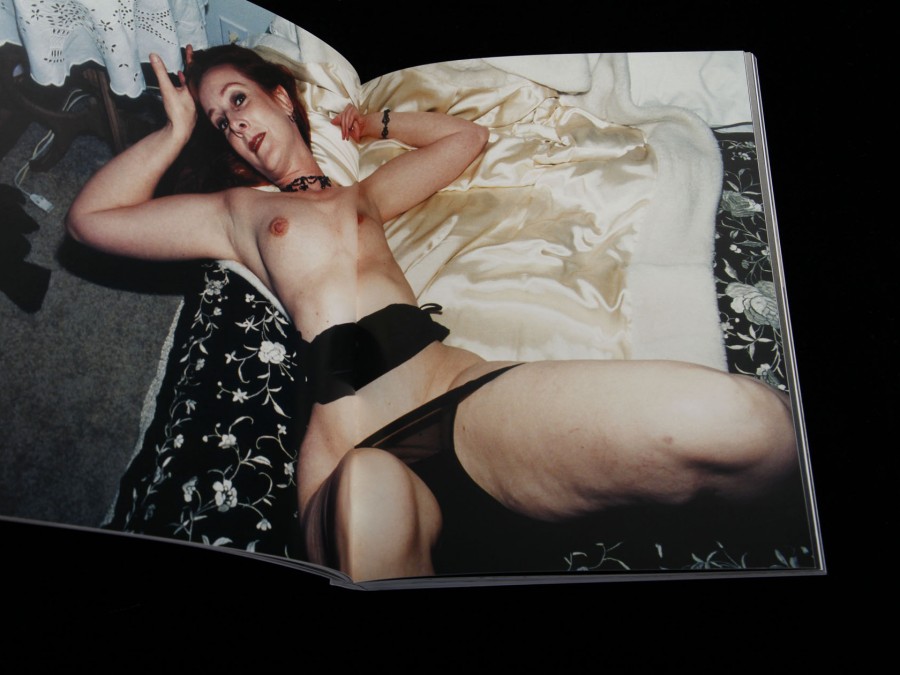 Leigh Ledare, Tina Peterson, 2008
Peterson was aging and attempted to resist that through projecting her sexuality and tying herself to younger boyfriends. These photographs of subjectivity, performance and portraiture undermine stereotypical attitudes towards the mother figure.