December 29, 2013
Lewis Baltz: Candlestick Point
Whilst working on some 5x7 negatives from the archive for the Adelaide Book I came across the 1989 work of Lewis Baltz on Candlestick Point in California.
These are landscapes of destruction --a topography of the emptiness of random, damaged, remote places”. The photographs depict fallow land, where piles of rubble and waste accumulate in the middle of the prairie. Traces of technical land development – drainage channels and water dams – are visible. So we have a typical American theme: the development of a territory in the almost infinite prairie.
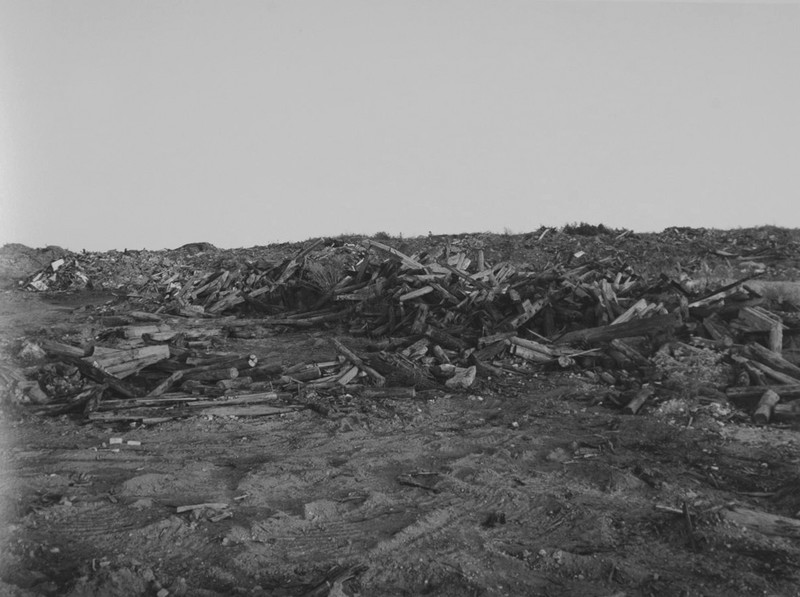 Lewis Baltz, untitled, from Candlestick Point, 1989
This series was photographed between 1984 and 1988, exploring in detail a landscape left nearly without any natural reference. It was created in an area between the airport and the ballpark south of San Francisco.
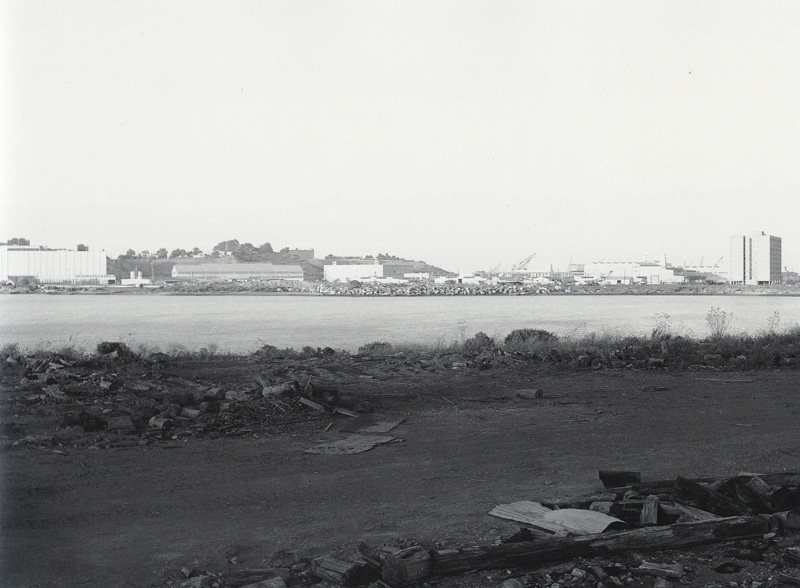 Lewis Baltz, untitled, from Candlestick Point, 1989
The work reminds me of what I was doing along the Port River with large format cameras.
December 18, 2013
on color photography
John Rohrbach, the senior curator of photographs at the Amon Carter Museum, has put together an exhibition entitled Color! American Photography Transformed.
Colour was technically too complex and too expensive in photography until Kodachrome, introduced in 1935, made color available to the masses; the brilliant slides it produced were easy to take and relatively inexpensive. Kodacolor, introduced in 1942, was a negative film from which multiple prints could be made. The public took to color immediately because it made snapshots more lifelike, but the art community hesitated. The latter puzzled over the issue as to whether pictures should be of color or in color; that is, is color what the image is about, or is the color simply additive.
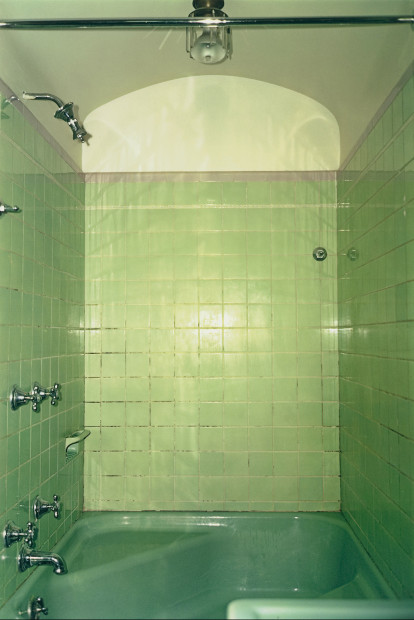 William Eggleston, Untitled (Memphis) 1970, Dye inhibition print
It was not until the 1960s and 70s that some of America’s most talented photographers tried their hand at color photography, on the pages of lifestyle magazines like Vanity Fair, Vogue and House and Garden. A watershed moment for color photography, its acceptance by the fine art establishment, is arguably marked by William Eggleston’s 1976 solo exhibition at the Museum of Modern Art.
John Szarkowski, the Museum of Modern Art's director of photography, opened "Photographs by William Eggleston " in one of MoMA's prime exhibition spaces. Critics despised the 75 snapshot like dye-imbibition prints and the public was perplexed. Rohrbach writes:
the dye imbibition process allowed Eggleston to draw attention to color without making it the subject of the photograph. It enabled his colors to simultaneously describe and hover, actively shaping the emotional tenor of his images without getting in the way of subject.
In this exhibition, which was a balance of documenting the world and a study of color itself, Eggleston understands how we see in color. Memphis reproduces a dated tiled bathroom, pond scum and all, immersing us in the color green and it becomes an example of what color photography could be.
After Eggleston a newer generation of artists in the 1980s made color photography a seemingly standardized method of photographing the world. The usual names in the canon are Joel Meyerowitz, Stephen Shore and Joel Sternfeld in that they shaped the creative language for the use of colour. The art world’s acceptance of color photography over recent years has transformed the medium into today’s dominant art form.
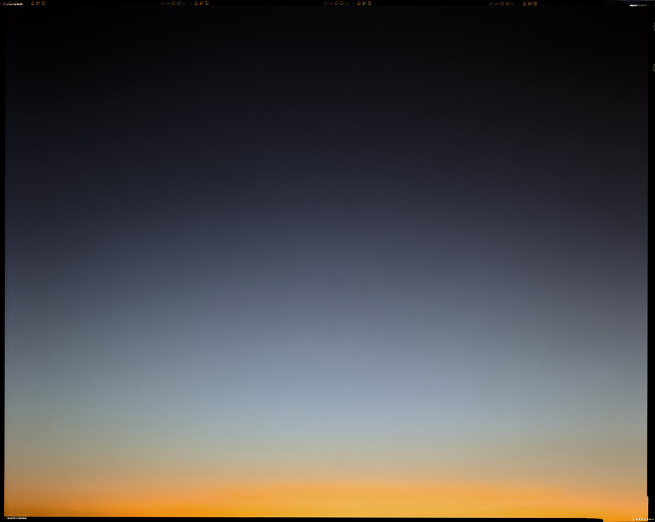 Richard Misrach, Paradise Valley (Arizona), 3.22.95, 7:05 P.M, 1995, Dye coupler print
The rise of digital technologies furthered this transformation, as photographers such as Gregory Crewdson Richard Misrach and Alex Prager have explicitly embraced the hues, scale, and even subjects of painting and cinema.
December 12, 2013
Charles Gatewood: Wall Street
Charles Gatewood's career has spanned over 45 years as both a fine art photographer and a photojournalist, has worked on assignment for The New York Times and Rolling Stone, Harper’s, and Time magazines. The internationally respected photographer is best known for his early photographs of the “modern primitives” movement, and of underground and sub-cultures of the 1960s to present.
In the 1970s Charles Gatewood made a different body of work to rock stars and bohemians – and later – alt culture. He explored the financial district of Manhattan--the Wall Street area. This was at a time when America's country’s economy was as depressed as it is now. New York City in the mid-70s was flat broke.
 Charles Gatewood, untitled, New York, 1975, from the Wall Street series
In this interview with Sensitive Skin Gatewood says that:
In January, 1972, I spent a week with William Burroughs in London, doing a feature for Rolling Stone magazine. Burroughs’ ideas about conditioning, power, and control stimulated me, and when I returned to New York, I began to explore Wall Street as metaphor, a poetic photo-rant about neo-fascist architecture and wage-slave robots, the cold glass-and-steel environment that said The World is a Business.
He worked on this photographic essay from 1971-1976. The New York State Arts Council gave him two fellowships to continue the work, and when I published a small edition of WALL STREET, I was awarded the Leica Medal of Excellence for Outstanding Humanistic Photojournalism.
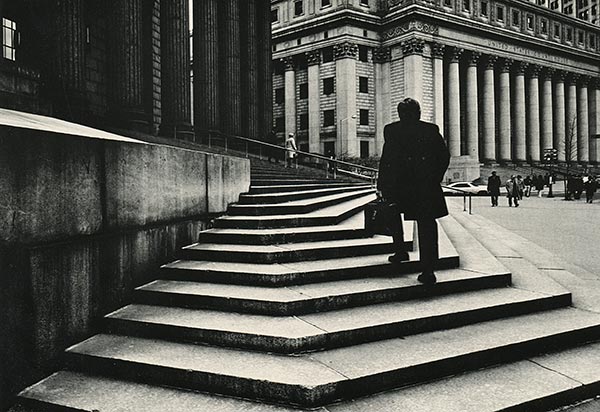 Charles Gatewood, untitled, New York, 1975, from the Wall Street series
In these photographs. Wall St. looks bleak, desolate and depressing, and there is an underlying theme of capitalism and control Wall Street symbolizes greed, corruption, and money addiction--greed is good.
December 9, 2013
Rob Ball: liminal space (inbetween space)
Rob Ball is a British photographer and academic (Canterbury Christ Church University’s Media, Art and Design Department) working on self-initiated projects and commissions.
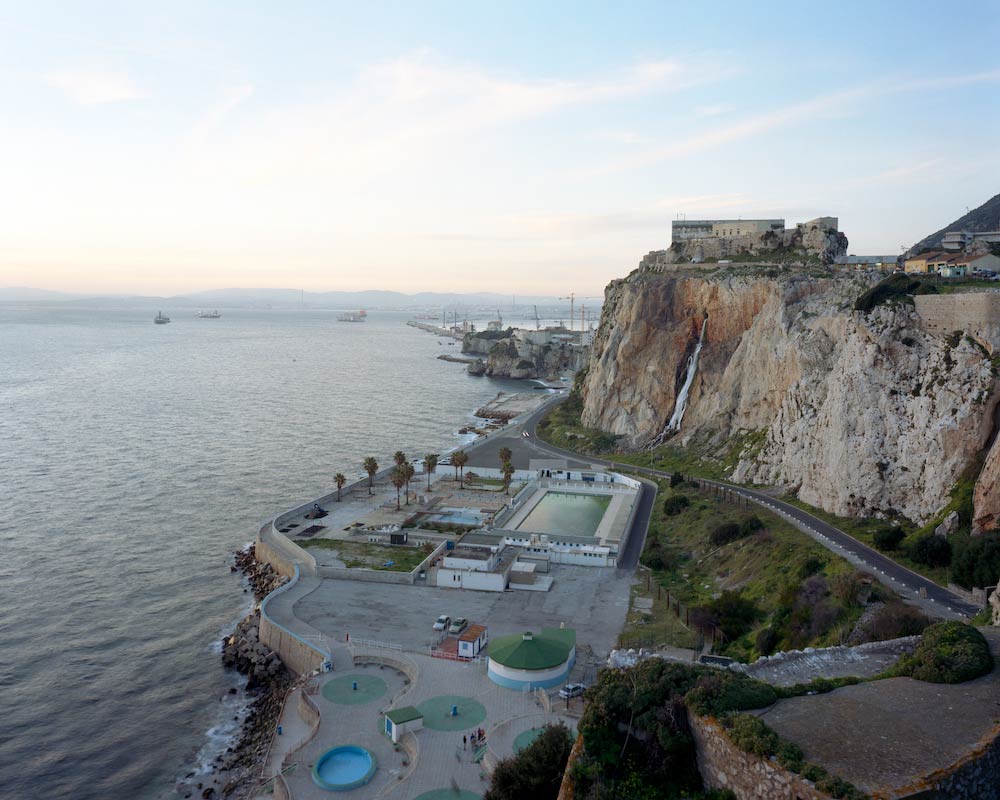 Rob Ball, Rosia Bay, Gilbraltar, 2007
Rob Ball 's Unremarkable Stories is an ongoing project that explores the idea of edgelands - the liminal space or inbetween space between the urban and rural environments---and it focuses on Ball’s 2011 return to the modest Essex urbanscape of his teenage years. Whilst his landscapes ostensibly might depict the banal, the specificity of space nevertheless remains significant as Ball registers the fierce potency of memory of these spaces inbetween the Essex/London border.
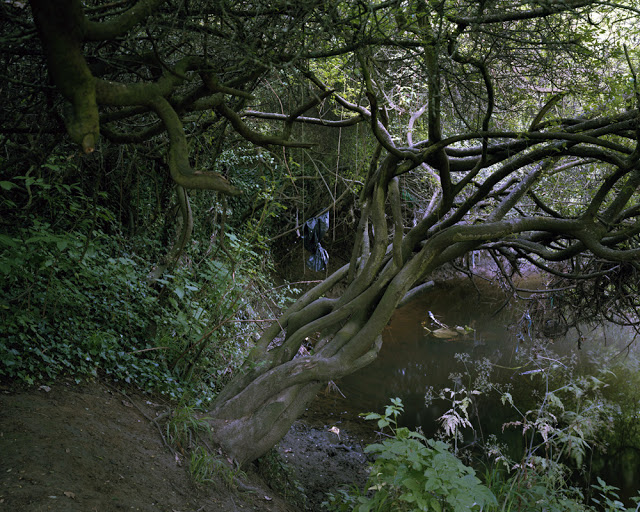 Rob Ball, The Ingey, 2011
These liminal spaces where town and country meet are his and they have been for 30 years. Upon revisiting them he felt it all coming back; building dens, sitting under the bridge smoking, scouring the landscape for porno mags and most of all, hanging around because there’s nothing to do here. These wasteland spaces the only places where they would be left alone as kids.
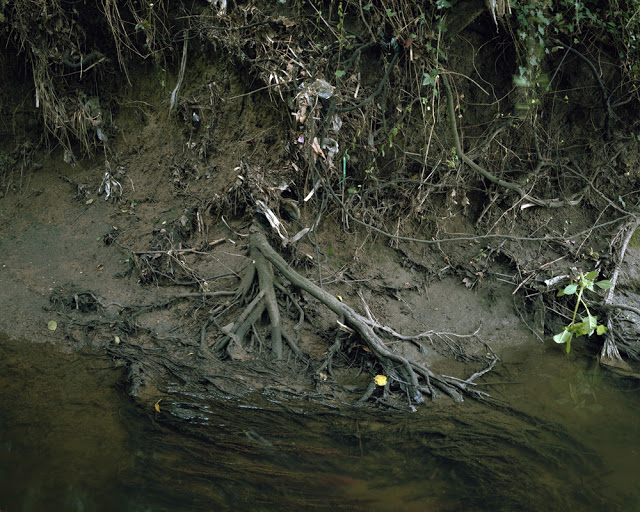 Rob Ball, The Ingey, 2011
BallIn rejects an idealised version of childhood and he reminds us of endless hours spent simply occupying spaces empty of adults, and in doing he makes strange the everyday.
December 7, 2013
Bryan Schutmaat's American West: landscape
Bryan Schutmaat's project Grays the Mountain Sends, which shows the stoic faces and rundown homes of fading former mining communities in the US, is a visual essay on communities in slow decline. The project combines portraits, landscapes, and still lifes and the series of photos explores the lives of working people residing in small mountain towns and mining communities in the American West, mostly in the Rocky Mountains. It explores the relationship between the people and the land.
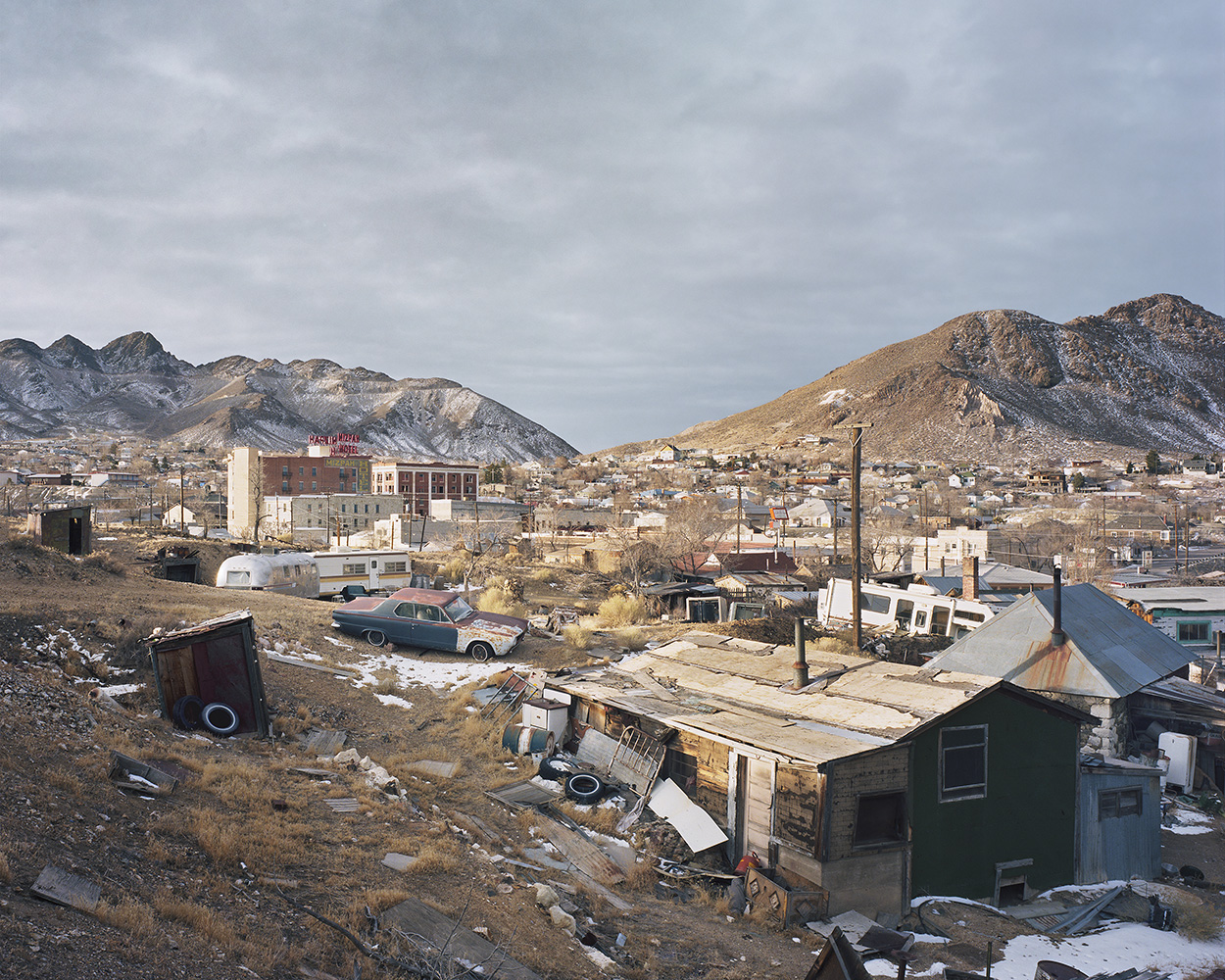 Bryan Schutmaat, Tonopah, from Grays the Mountain Sends
Schutmaat says that he takes a few snaps with his DSLR and then comes back latter when the light is nice and sweet. He shot the series from the fall of 2010 to the spring of 2012, focusing on mining towns.
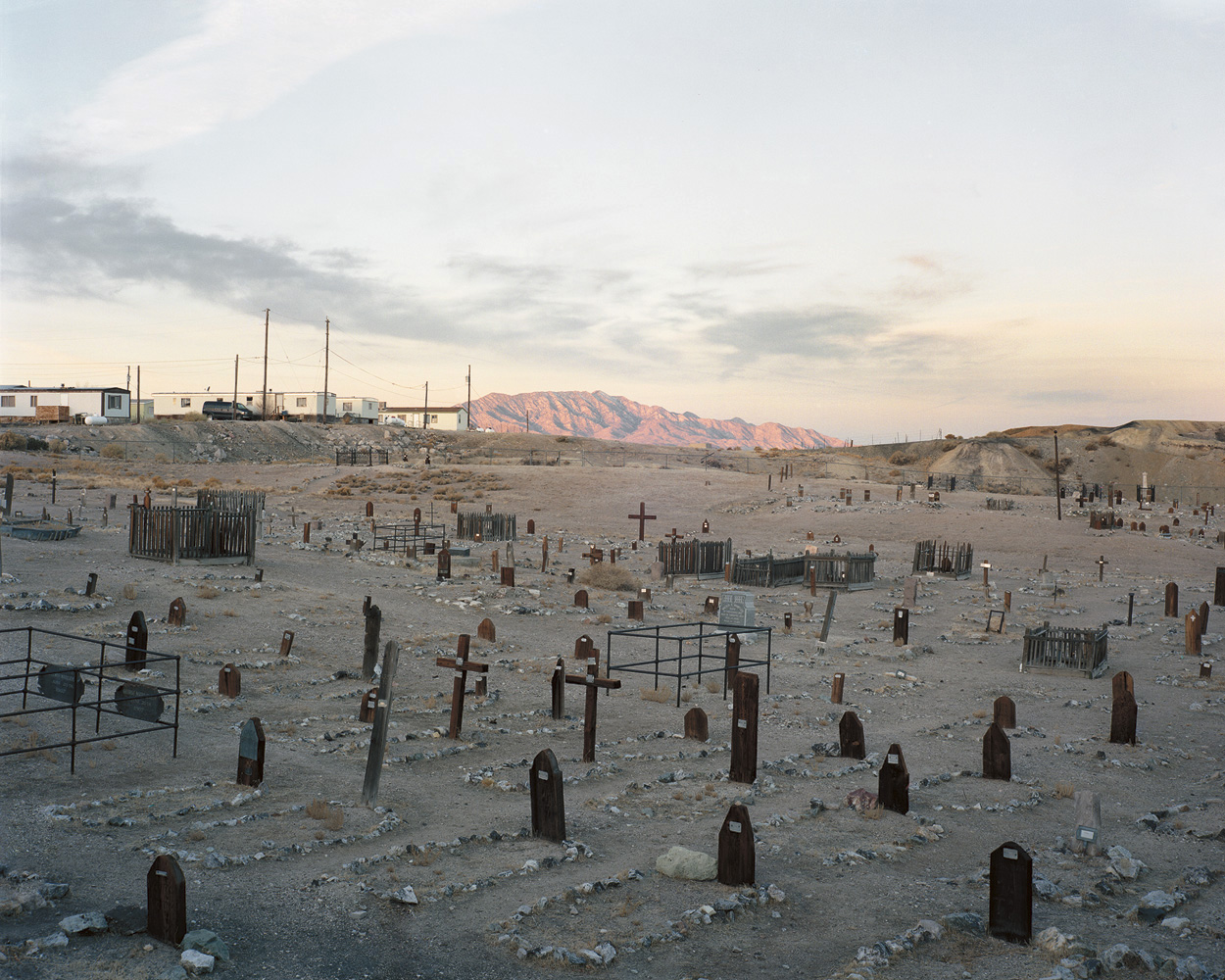 Bryan Schutmaat, Cemetery, from Grays the Mountain Sends
The pictures stand in stark contrast to the19th century's idyllic landscapes derived from the Hudson River Valley School that promised freedom and prosperity by going west. He had a narrative in mind, something about Manifest Destiny, masculinity, rugged individualism, and the idea of the American West.
December 6, 2013
Jasmine Swope: seascapes
Jasmine Swope is a Serbian-born American photographer based in Santa Monica, California, who combines large format camera, digital processes and traditional platinum/palladium printing, which is known for its great tonal range and archival permanence.
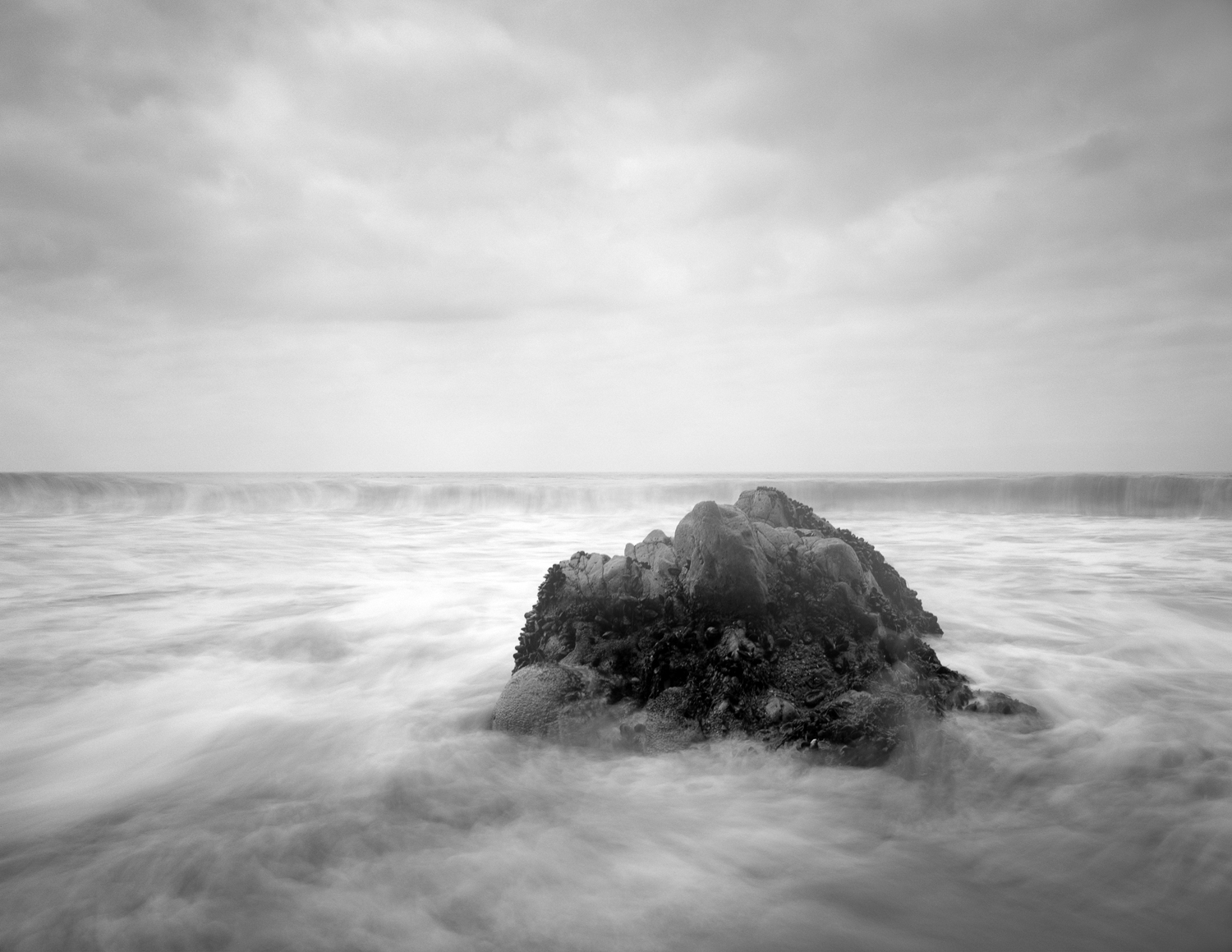 Jasmine Swope, untitled, from The Tides of El Matador
This body of work consists of a series of photographs during low tide at El Matador State Beach in Malibu and it explores the picturesque coastline of rocky points, deep bays, sunny beaches, marine life, habitats and ecosystems.
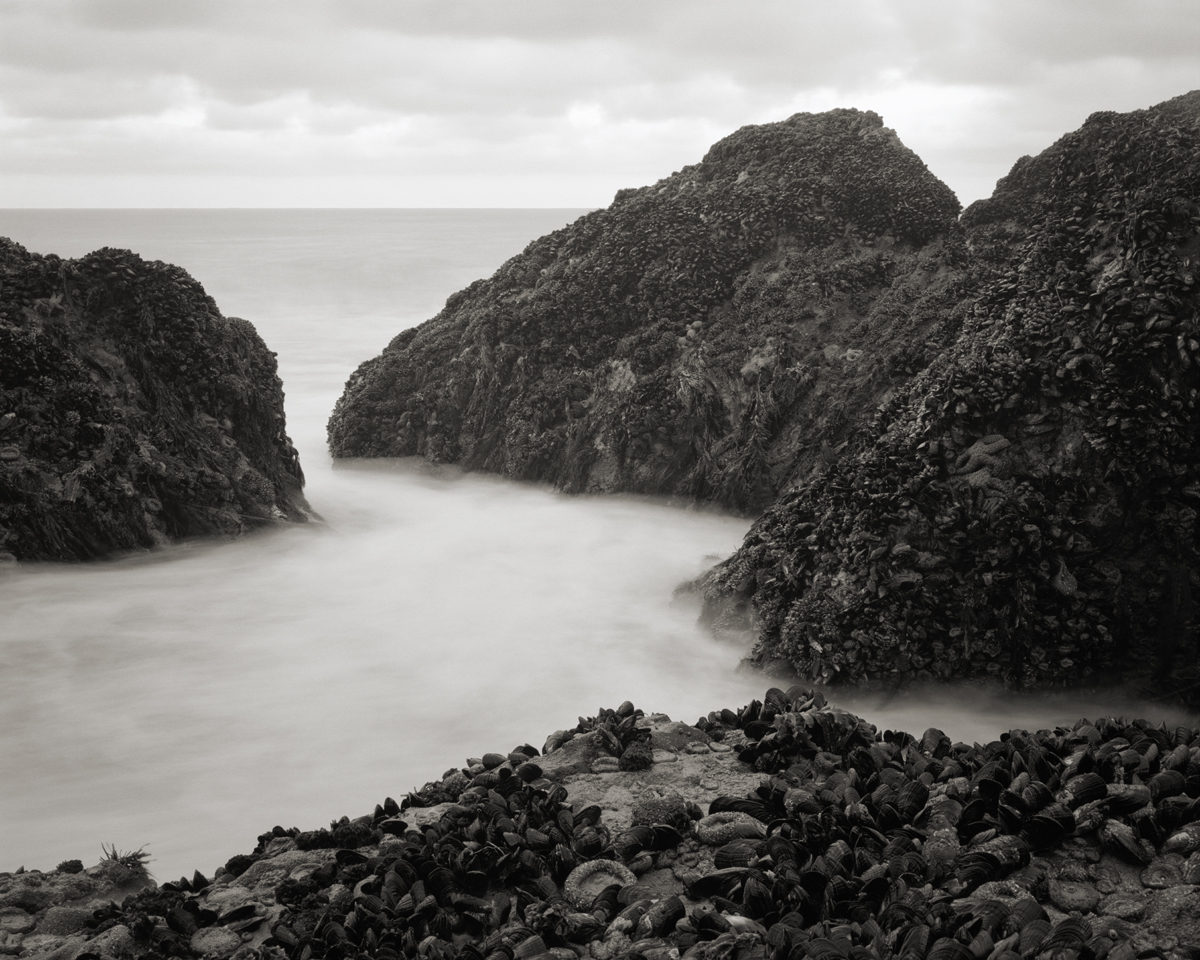 Jasmine Swope, Point Dume No. 1 Malibu, California
It is slow methodical photography that shows the power and strength of large format photography.