|
December 17, 2009
I started monitoring proceedings of COP, the UN climate change conference, on the web last night. Since my bandwidth quota is close to full--its the end of the month--I could only watch for an hour or so. Many who have been registered as delegates are unable to gain access to proceedings and spend most of their day waiting in the queue.
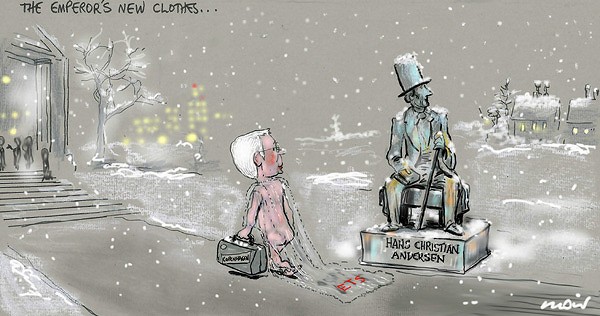
What I saw was the proceedings bogged down by procedural wrangles --points of order. What I saw at the conference of the parties was unhappiness by Brazil, China and India about the failure of the Danish Presidency to present the text designed to establish consensus.The proposal, which involves keeping elements of the Kyoto Protocol structure, is said to form the basis for further negotiations which are now entering into a crucial final phase.
The impression I got was that they are getting nowhere, there are many unresolved issues and there is a growing frustration amongst the developing countries continues to build. Presumably, there is an intense power play going on behind closed doors. Some has to start giving ground somewhere.
Al Gore turned up and applied the pressure. He needs to because the average global temperatures rise by no more than two degrees now looks to be closer to 3.5 degrees with the current offers for greenhouse gas emissions on the table. You can kiss some island states goodbye.
I have no idea what is happening around the negotiations on the two track process (extending Kyoto and a forging new agreement to replace Kyoto). We do know that the rich states complain that Kyoto makes no demand on developing countries, particularly China and India, whose carbon emissions have risen fast and will dominate future growth. The rich nations want a fresh treaty, arguing the world has changed and the major emerging economies such and China and India must commit to curbing their huge and fast growing national emissions. However, the issue is that Kyoto is the only legal treaty compelling rich nations to slash their greenhouse gas emissions. Does that mean two draft treaties or one? It Depends on the balance of power I guess.
I do not know what compromises have been reached (if any) on the key issues: real reduction commitments from the industrialised world with targets and timetables, corresponding commitments to meaningful action by the large developing nations like China, India and Brazil, and money on the table to manage the transition to clean energy in the Third World. From what I can gather the draft text has not been made public. So it is safe to assume that there is still no agreement on a basic framework on which world leaders can negotiate.
Giles Parkinson at Business Spectator says that:
One of the working parties focused on creating an alternative to the Kyoto Protocol met until 7am on Wednesday, formulating a text that included so many brackets – following tit-for-tat gamesmanship between the US and G77 nations – that it was as good as useless as a document for the leaders. When the Danish hosts proposed their own text, minus a bunch of brackets, in an attempt to find a path forward, the representatives of China, India, and Sudan voiced their protests, accusing the hosts of imposing their own ideas. The ambassador from The Maldives rose to tell them to get over it, all to no avail.
Apparently, the Danish hosts had put the finishing touches to what they hope will be a compromise text, and were consulting a group of 25 ministers, including Wong. But even this was proving difficult, as ministers were hard to corral and appointments were not kept
|





Expectations of a draft text being produced this morning failed to materialise. There is no draft. They have failed to broker an agreement and become bogged down in procedure.
Uncertainty about emissions cuts from the major developed countries plus America's insistence on a monitoring regime for emissions cuts by rapidly emerging economies had led to the impasse.