|
June 25, 2006
A central conflict in seachange in Australia is the need for coastal settlement boundaries around the coastal towns to prevent an ongoing sprawl that would destroy the attractions and beauty that drew people to them in the first place. Many local councils, especially along the Fleuerieu Peninsula in South Australia, do a poor job of this in that they have done little to constrain the suburban development on the edge of town.
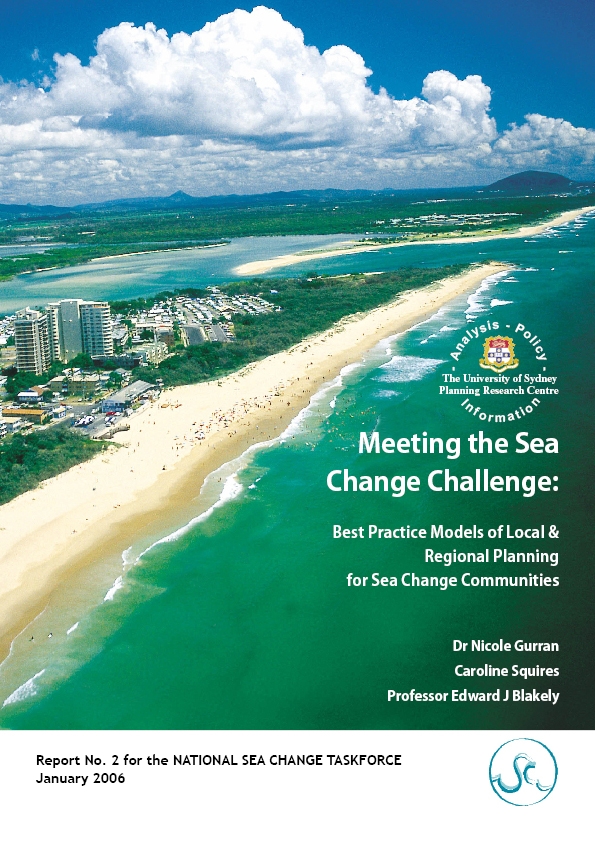
Hence we have sprawl with little by way of green strips inbetween. Rampart development, not rational planning, is still the model favoured by the local councils in Western Australia. Hence state governments step in to contain growth along protected coastal cities. Many of these towns have fragile local economies based on tourism and provide little in the way of services and infrastructure.
If coastal towns cannot spread for all those who want their property near the beach, then urban consolidation in the form of high rise appears next to beachside holiday houses. If that is disallowed then fencing off the coastal regions entrenches the lifestyle of the incumbents and the price of buying into seachange/retirement along the coast increase. Many people who work in the key tourist towns ---eg., Lorne or Apollo Bay alaong the Great Ocean Road in Victoria-- are commuters who cannot afford to live in the town. Many will not be able to buy a house with waterfront views an hours drive from a capital city.
|


