|
September 06, 2006
The mouth of the River Murray in South Australia is esturine and composed of the Corrong and two large shallow lakes--Albert and Alexandrina. I stayed at Poltalloch Station on Lake Alexandrina just before Xmas 2004 for a work do. I managed to take a few snaps with the Leica when the storrmy/rainy weather permitted:
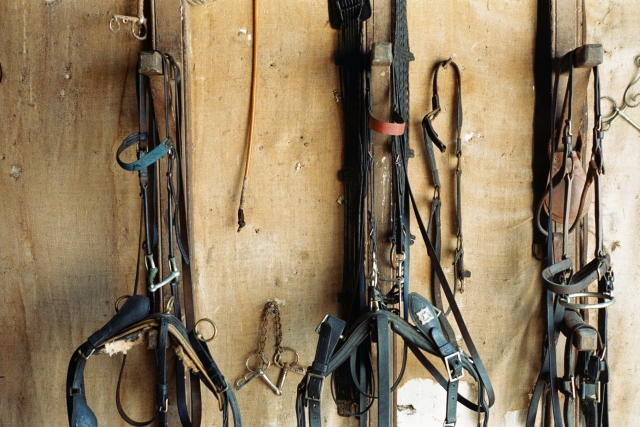
Gary Sauer-Thompson, Bridles, Lake Alexandrina , 2004
The image below is on a hill just back from, and looking towards, the lake. The area around the Lake on all sides has been denuded--stripped bare of trees. That is the effect of 19th century pastoralism based on sheep. There is little replanting going on to bring back the trees.
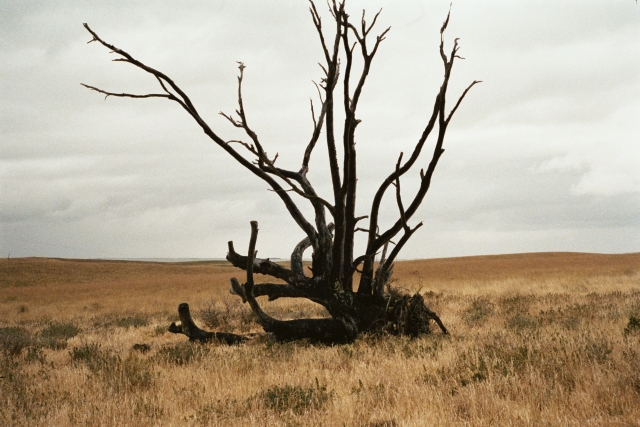
Gary Sauer-Thompson, Hilltop, Lake Alexandrina , 2004
This kind of environmental concern breaks with the founding assumptions of modernist aesthtices: the universalized subject of aesthetic appreciation; disinterested contemplation, or the paradigm of reception that strips the subject's relation to the aesthetic object of any practical stake in that object's existence; and the autonomy of the aesthetic domain from moral, political, or utilitarian concerns and activities.
The bare landscape around Lake Alexandrina has been produced into something quite different to what it had once been 200 years ago.This then is a politically informed aesthetic--an ecological one.
Another denuded hill near the narrow passage between Lake Alexandrina and Lake Albert.
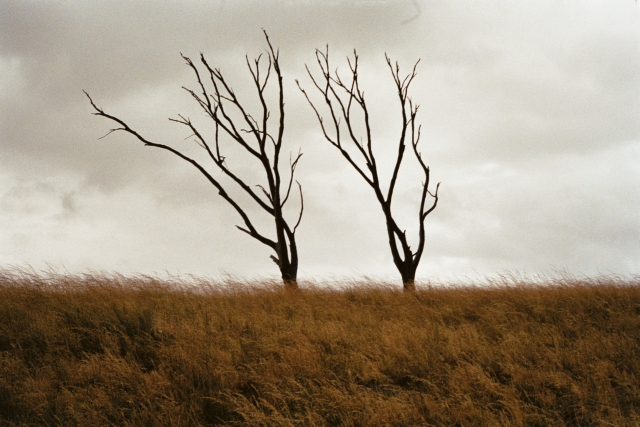
Gary Sauer-Thompson, Hilltop, Lake Alexandrina , 2004
These images are not romantic ones. They are more within the snapshot tradition---one that is marked by small, handheld, 35mm cameras, that produced grainy, blurred images characterized by tilted horizons and erratic framing which aptly expressd the speed and chaos of modern life. It has been adapted to a travelling around the landcscape looking at the effects of the heavy human footprint on the landscape.
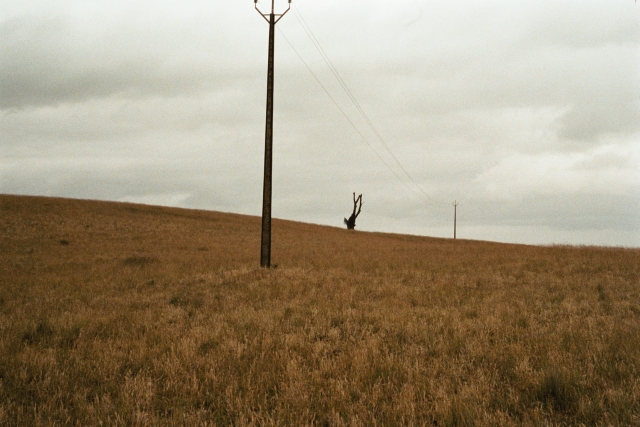
Gary Sauer-Thompson, Electricity Line, Lake Alexandrina , 2004
Though this series deploys the trope of 'the tour through a landscape', it's snapshot mode links back to the topographical aesthetic of Gustave Courbet, which places value on actual, ordinary, regional and self-consciously contemporary experience. This has a new, self-reflexive way of constructing cultural meaning from lived experience.
The denuding of the landscape by the pastoralists, who were trying to create an English village based around the landed gentry, means that we are just left with the grasses:
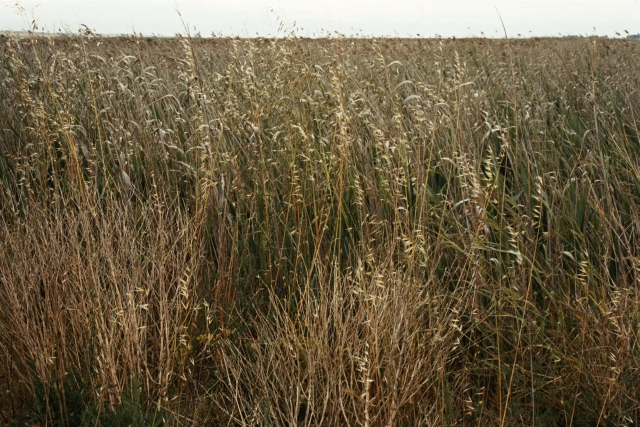
Gary Sauer-Thompson, native grasses , Lake Alexandrina , 2004
This topographical aesthetic has affinities with the "New Topographics, in which the landscape is depicted complete with the alterations by humans. This movement is often interpreted as a reaction against natural landscape photography that depicts only wilderness. The photographers of the New Topographics show landscapes that include roads, housing projects, bridges etc that have been built through suburban development. The style is within a tradition of documentary --and so is in opposition to formalist photography.
Though the object is the idea of 'social landscape'--how human beings have affected the natural environment in an industrial culture-- the topographical aesthetic need not exclude beauty. It is downplayed into being just an aspect of the altered landscape:
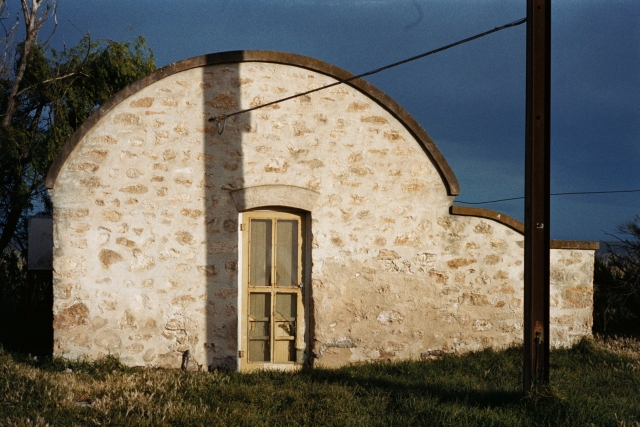
Gary Sauer-Thompson, Boatshed, Lake Alexandrina , 2004
The New Topographics attempt to expunge individual style (the death of the author?) so that one is left with just the text or image. This meant that viewer's reception of what the photographer has seen becomes all important. We can modify this aesthetic by recovering the romantic concern with the sublime:
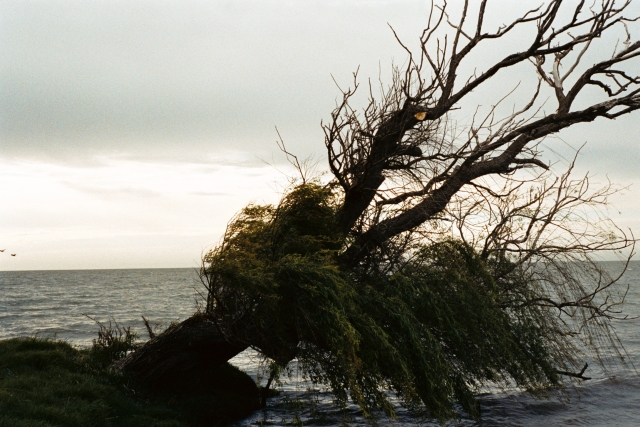
Gary Sauer-Thompson, Battered tree, Lake Alexandrina , 2004
The sublime in this case is not the towering alps of Europe--it is the wild storms that sweep across Lake Alexandrina from the southern ocean; a wildness that causes horror and a concern for one's self-preservation.
|


