|
May 21, 2007
Often people presuppose that they have immediate access to natural beauty unmediated by history. However, wilderness is a human construct that is placed in opposition to industrial civilization. We travel by roads to view this scene and we live in cabins powered by electricity generated by coal-fired power stations.
In the aftermath of Kant, that is, with Schelling and Hegel, the natural beautiful is no longer a major concern of aesthetic theory. According to Adorno, an evil star hangs over the theory of natural beauty. For Hegel natural beauty is of less significance than the beautiful in art because it is less thoroughly mediated by spirit.
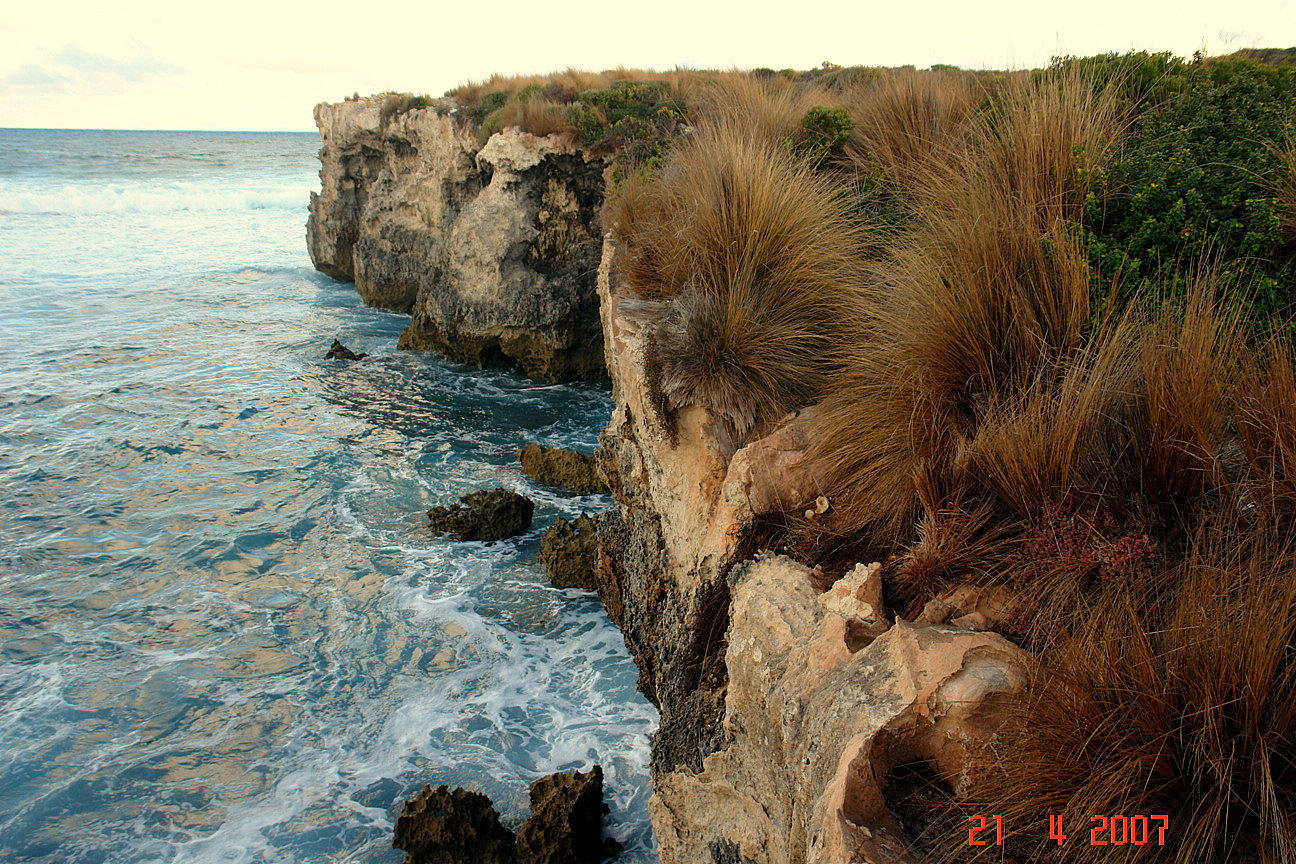
Gary Sauer-Thompson, grasses, Hanson Bay, Kangaroo Island 2007
Was this a simple bias in Hegel? Or does it express the intensification of the domination of nature to ensure human self-preservstion as discussed by Adorno and Horkheimer in the Dialectic of Enlightenment?
Does the beautiful in nature looks as if it were art? Should we reject those positions that regard artworks as paradigmatic for our aesthetic appreciation of natural objects?
|


