Thought-Factory.net Philosophical Conversations Public Opinion philosophy.com Junk for code

Mandy Martin, Puritjarra 2, 2005. For further information on MANDY MARTIN, refer here: http://www.mandy-martin.com/
If there are diverse kinds of knowledge and ways of knowing place, then we need to learn to value the different ways each of us sees a single place that is significant, but differently so, for each perspective.
RECENT ENTRIES
SEARCH
ARCHIVES
Library
Thinkers/Critics/etc
WEBLOGS
Australian Weblogs
Critical commentary
Visual blogs
CULTURE
ART
PHOTOGRAPHY
DESIGN/STREET ART
ARCHITECTURE/CITY
Film
MUSIC
Sexuality
FOOD & WiNE
Other
www.thought-factory.net
looking for something firm in a world of chaotic flux

smilely smile « Previous | |Next »
July 26, 2005

This smiley smile post picks up on this post and this one and this.
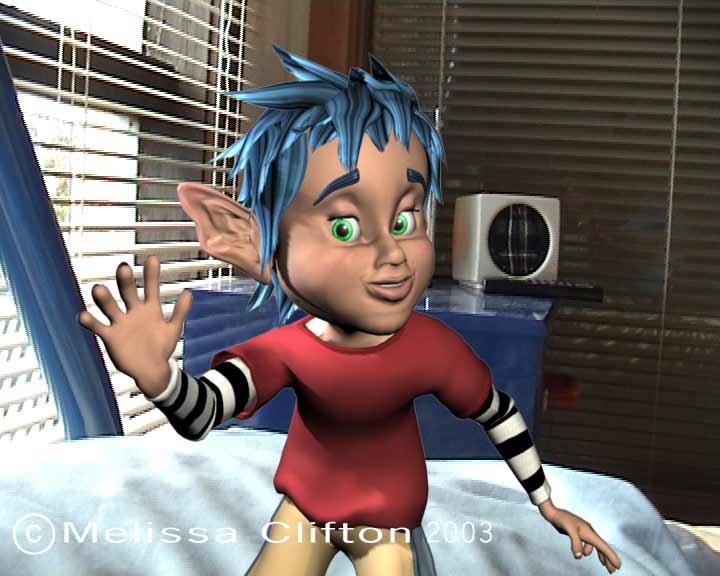
popculture9.jpg
Melisa Clifton Animation

The quote is from John Hartley's The Politics of Pictures:

"Given that the public, elusive at the best of time, has a historic tendency not to stand still and take impressions that are deemed good for it, but simply to walk away, the media's efforts at popular instruction (whether the object of the exercise is didactic or democratic, disciplinary or disruptive), are strikingly succesful. With drama, entertainment, pictures and pleasure as their stock in trade, the media are the first and greatest of the 'smiling professions', and the public they create out of these raw materials is the envy of education and government." (p.121)

Hartley says that smiling is now the 'dominant ideology' of the 'public domain', the mouthpiece of the politics of pictures apart from the old fashioned 'straight-faced craggy-jawed masculism of law, medicine, science, education and the military.

Philosophy, of course, is a classic no smiler.

| Posted by Gary Sauer-Thompson at 7:35 PM | | Comments (2)
Comments

Comments

What does Hartley mean by this and how does he draw his conclusion?

"Given that the public, elusive at the best of time, has a historic tendency not to stand still and take impressions that are deemed good for it, but simply to walk away. "

Julie,
Hartley is arguing that media audiences have been subject to strategies designed to turn them into a responsive, or biddable audience.

He starts from 17th century political philosophy that talks in terms of the common people as blank sheets of paper on which the government would prints its own authorized opinions. He means Hobbes and Locke.

Hartley says:

"This print metaphor presumes, or course, that the common people will stand still long enough to receive clearly enough the impressions designed for their edification. How to persuade them to stand still? What media to use? Who or what institution would be trusted with the job?"

Hartley then argues that the institutions of government education and media have been organized around the public as blank sheets of paper on which moral, political, religious, commercial and other knowledges are to be impressed. He adds;

" The old, mutually sustaining, classical civic virtues of democracy, didactics and drama have been dis-integrated; education gets the didactics, the media take the drama, government gets the democracy, and the public gets taught, entertained, governed, apparently independently, and often without much consultation."

What has happened, says Hartley, is that the public has slipped from the disciplinary grasp of the educaitonal and governmental authorities into the gentler hands of the smiling professions that make images of the public and so call it into being.