|
April 26, 2006
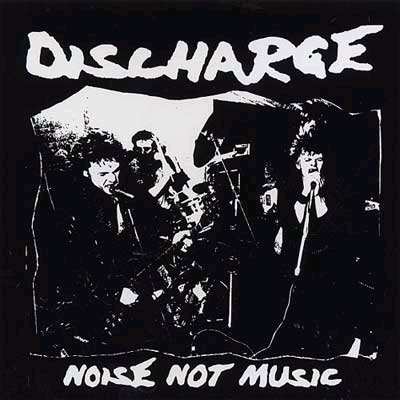
Simon Reynolds says that if music communicates some kind of emotional message, then noise is best defined as interference, as something which blocks transmission, jams the code, prevents sense being made. I would write 'expresses' rather than 'communicates' and avoid 'transmission' but we will leave to that one side for another time.
In an early text Blissed Out Reynolds says:
The subliminal message of most music is that the universe is essentially bengin, that if there is sadness or tragedy, this is resolved at the levlel of some higher harmony. Noise troubles this world view. This is why noise groups, invariably deal with subject matter thati s anti-jhumanist---extremes of abjection, obsession, trauma, atrocity, posession---all of which undermine humanism's confidence that through individual consciousness and will, we can become subjects of our lives, and work together for the general progress of the commonwealth.
He says that noise occurs when language breaks down and that the pleasure of noise lies in the fact that the obliteration of meaning and identity is ecstasy (as being out-of-oneself). He then says that to speak of noise, to give it attitibutes --the site of pleasure and the unspeakble-- is to shackle noise with meaning and make it part of culture.
Does not a culture's musical conventions define the distinction between music and noise? Are not the boundaries between the two ever changing?
The Who smashing their instruments on stage---noise? The feedback sections of the Grateful Dead circa 1968--garage band dead of Anthem of the Sun and Live/Dead---ie free-form use of everything on stage (in this case the speakers), noise? The noise eventually evolved into Space. A description of feedback on Anthem of the Sun:
...another electric feedback build, all frenzied strumming and howling amps at top volume…it’s a noise most Deadheads could do without, and it ends with controlled feedback via guitar volume knobs expertly manipulated by Garcia and Weir, as Lesh pokes his fingers in his ears and sways in front of the amp to make ghostly groans bombard out of all their amps. It takes two minutes or so for the fade at the end to finally finish as the constanly-struck gongs and hissing amps, already shrieking their cones out for long enough, dissipate into stunning silence.
|


