|
August 1, 2007
Someone mentioned Facebook in passing in a recent conversation. What is Facebook?, I asked. You don't need to know, they responded. Someone quipped that it's about the mass exhibitionism of the "Facebook Generation" of Web 2.0, who text-message during class, talk on their cellphones during labs, listen to iPods and post their diaries and personal stories on YouTube.
So now I know. Facebook is a social networking website that connects people through social networks at educational institutions. So why the fuss?
Well, Facebook is a Janus-faced symbol of the online habits of students that undermine the traditional objectives of higher education, one of which is to inspire critical thinking in learners rather than just multitasking.
But it goes deeper than this.
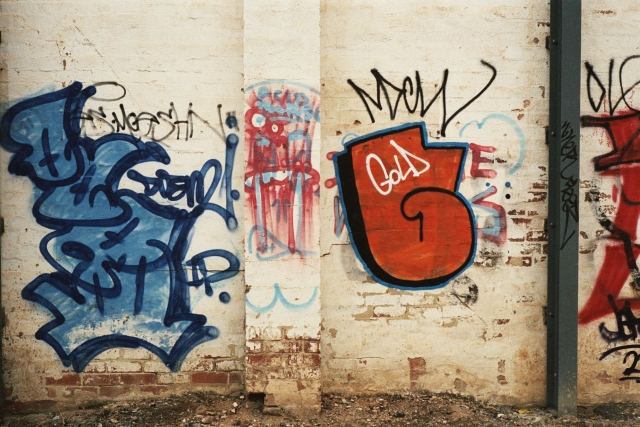
Gary Sauer-Thompson, messiness, Adelaide, 2007
Radio National Breakfast interviewed Andrew Keen, an English digital media entrepreneur and Silicone Valley insider, who has written widely on digital culture. His new book is called The Cult of the Amateur: How Today's Internet is Killing our Culture and assaulting our Economy.
Keen argued against the rise of the "amateur" because of the harm -- economic, social, cultural and political -- we amateurs will cause. Without "standards," without "taste," without "institutions" to "filter" good from bad, true from false. The Internet, Keen argues, is destined to destroy us. The 'amateur' was assumed to be a hobbyist who does not make a living from his or her field of interest and lacks credentials.
These dabblers have broadband access and they have become bloggers and digital photographers. What is created is not as great as what the professional creates, as we are developing our capacity to create.You could feel the professionals distaste for us amateurs. We need canons and experts to help sort the high quality stuff from the junk.
Keen's views were presented with little by way of criticism from the presenter-- Geraldine Doogue---- even though one of Keen's examples of the harm caused by bad amateurs was Wikipedia! The talk was of cultural conservatism and the defence of a modernist ontological order without even mentioning the postmodern view that, in the cyberworld we now inhabit, everything is disordered.
The digital world is messy, like it or not, and it’s only going to get messier as the Web destroys the modernist hierarchical rules, rule-makers and experts and so flattens our culture.
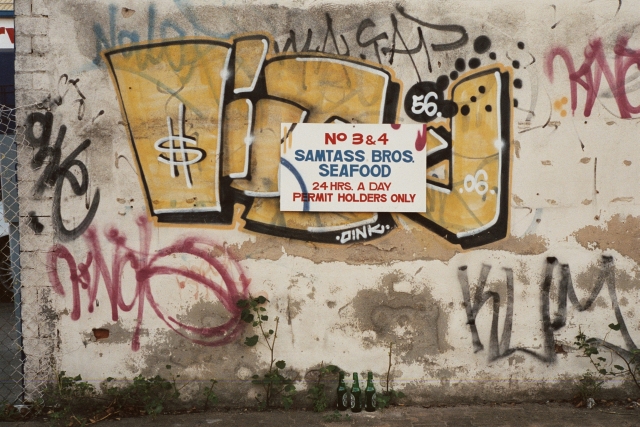
Gary Sauer-Thompson, messiness #1, Adelaide, 2007
Nearly every field of human endeavor presupposes hierarchy, and every hierarchy is under assault from the Internet, which is revealing both the biases presupposed by our classificatory systems and discloses a new kind of knowledge that more faithfully represents the messy, linkages of the meanings flows in cyberspace.
Hence the fights being waged today over whether bloggers are real journalists, or whether Wikipedia is a real encyclopedia, express the resistance to the messy and disordered l meaning that the Internet's users infuse its pages with.
So the contrast is actually between the Wikipedia entries that require further attention or editing by the community and the self declared indisputable authority of traditional media like the New York Times or the Encyclopedia Britannica.
|


Rightly or wrongly in Traditional Cultures only the Wise Elders could have their say. And even to qualify for that right they would have gone through an intensive education process. A hard school of testing and intitiation---tests which had to be passed---tests which were sometimes dangerous or which perhaps some kind of vision quest.
The purpose of such testing was to make sure that the acolyte had left the self indulgent frivolities of adolescence behind and became a mature man or woman.
Now every unschooled untested adolescent (and even pre-adolescent) can pretend to be a "master" of the universe.
The barbarians are well and truly everywhere now.