|
August 30, 2009
I've just finished watching the 13 episodes of the first session of The Wire on DVD. Normally we only watch one episode at a time. It's enough. This is story telling that steps away from free-to-air where the advertising dominates, there is dumbed down bottom line for mass appeal to get the eyeballs, and ignores ratings. Most people are watching The Wire away from television.
Tonight we watched 12 and 13 so as to finish season 1, since Suzanne was catching The Ghan for a trip to Darwin and the Bungle Bungle Range in the Kimberley region of Western Australia.
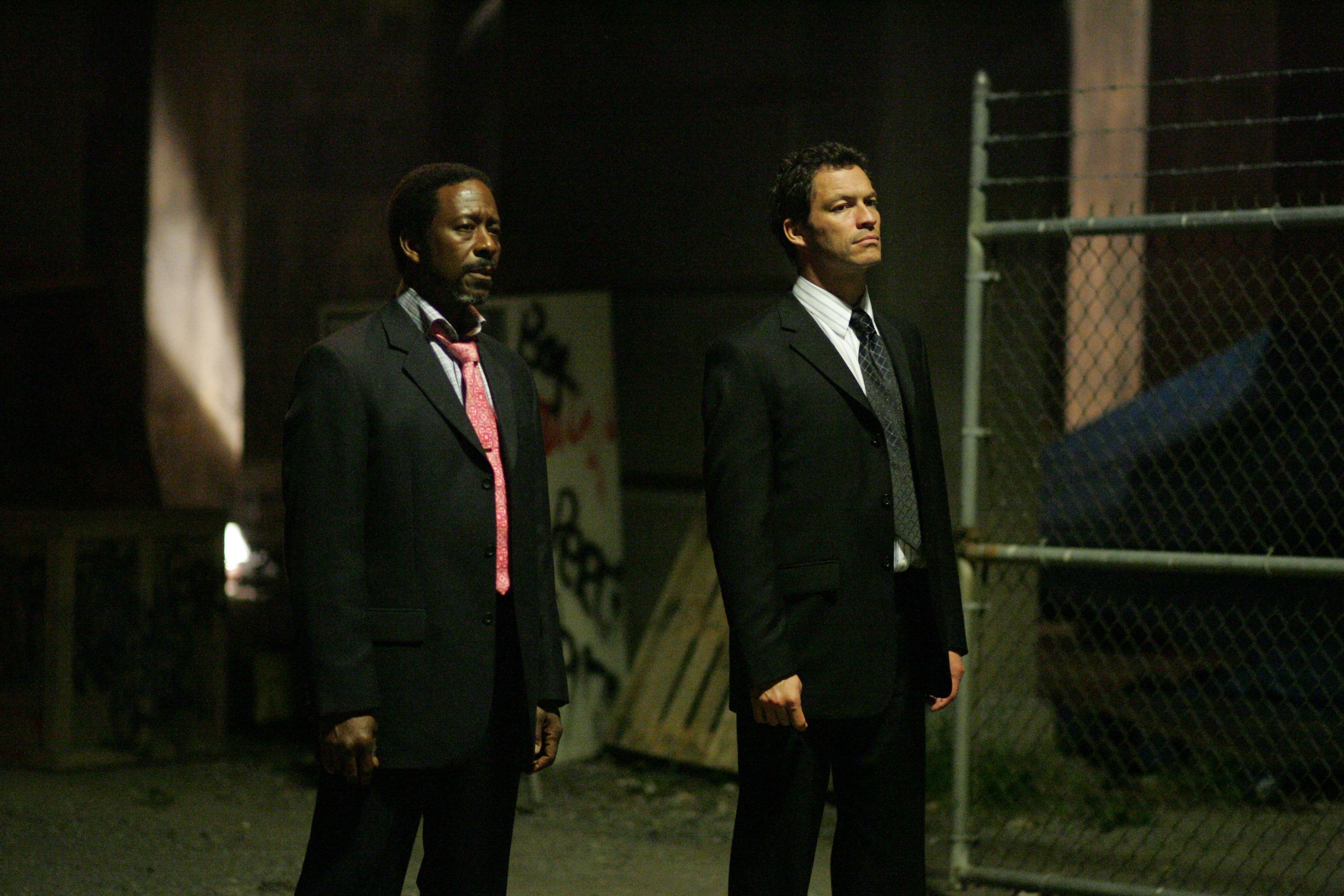
This excellent television show started out as a cop show but it is beginning to broaden into a critical look at the power structures of contemporary America. It warrants critical engagement as this is no ordinary television ( such as CSI and Law and Order). It is a visual realist "novel" about race and class in the city of Baltimore in Maryland, USA.
My initial experience of the early episodes was that it was like a jigsaw puzzle due to the lack of a unified vision, the tacit narrative spread of a season, the refusal to grant closure and disciplinary power determining the existence of everyone. The show’s creator, David Simon has pointed out that The Wire is:
really about the American city, and about how we live together. It’s about how institutions have an effect on individuals, and how … whether you’re a cop, a longshoreman, a drug dealer, a politician, a judge [or] lawyer, you are ultimately compromised and must contend with whatever institution you’ve committed to.
The Wire presents us with a tangled web of bureaucracy and confusion with personal rivalries and hierarchies, budgetary issues and questions of protocol preventing different departments from working together effectively.
|


