|
September 5, 2009
I watched a remixed DVD of "The Song Remains The Same" ---a film of a Led Zeppelin concert during their American tour of 1973. From 1971-1975 period, Led Zeppelin were the biggest band in the world, and their film is taken from three nights of concerts at New York's Madison Square Garden.
The band were golden rocks gods, selling out stadiums across America, and they stood for excess: private plane, motorcades, fantasy sequences, blown out music (eg., a 23-minute-long version of the song "Dazed and Confused"), and bloated grandeur. Freedom from taboos was being celebrated by the rock gods in opposition to the misery and limitations of everyday life.
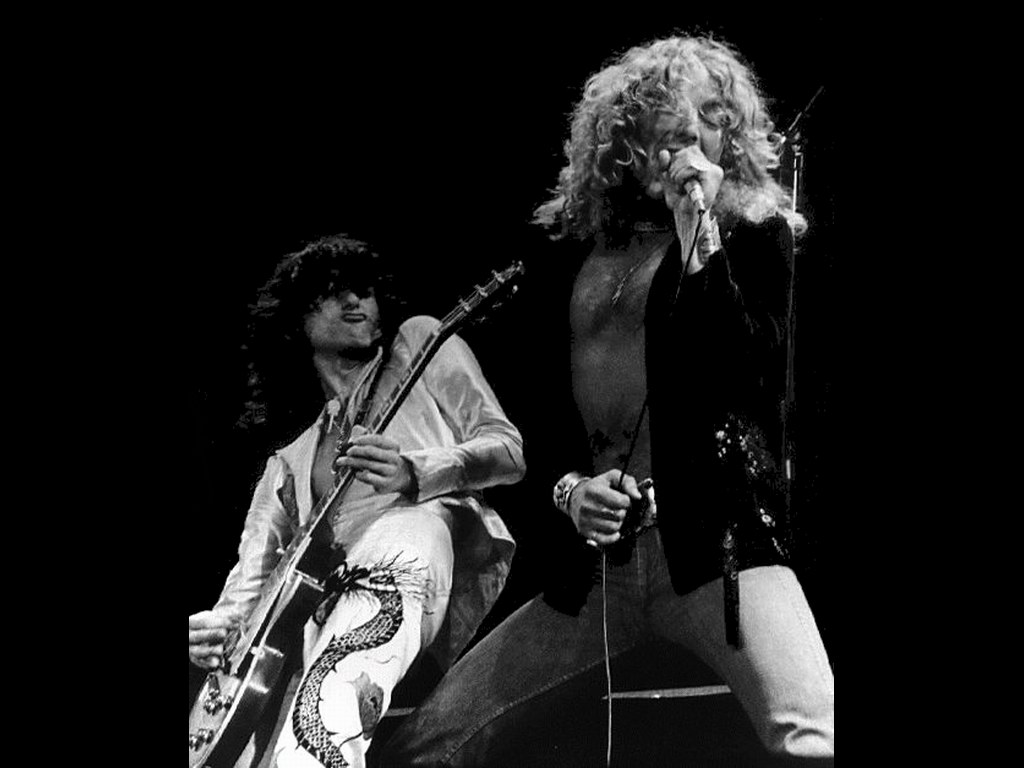
Though the sound quality was excellent, musically the improvisations were uninteresting. The film was mostly all about Jimmy Page, as rock god soloing away on his guitar. A pity because, the concert comes in between two good albums:-Houses of Holy and Physical Graffiti.
Visually, the film is about celebrity culture before punk. You can see what punk was reacting against. It was a rebellion against the excess of the spectacle as entertainment for the masses that expresses the repressed realm of the sensational. The live performance now operates between the misery of an everyday life without adventure and the hell of a glamorous world devoid of experience.
The French writer Guy Debord described the spectacle as a complex system of delusion and deception which adapts people to the demands of the media and of work in modern society and robs them of their life.
|


