|
July 4, 2012
Twenty-five years since the disaster of the nuclear accident at Chernobyl, Ukraine and the subsequent radioactive fallout the entire access to the area around Chernobyl Nuclear Reactor is still restricted with barbed wire and police checkpoints.
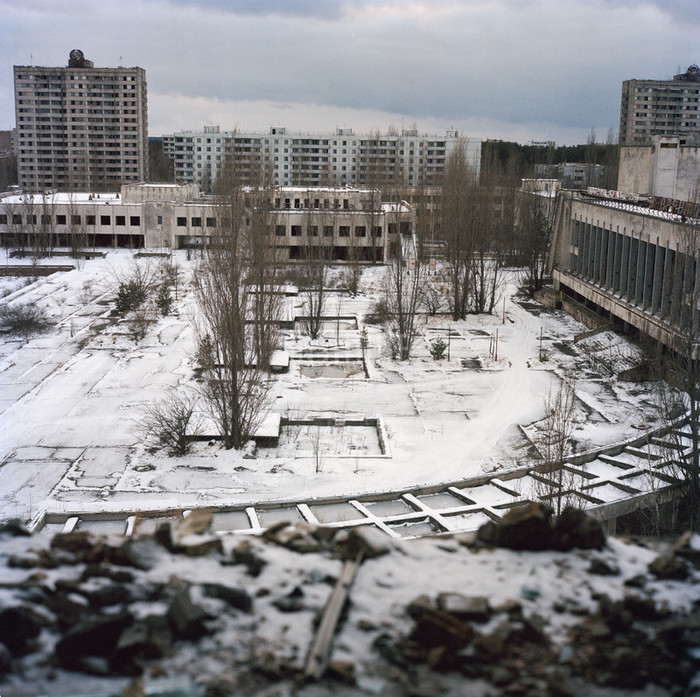 Rena Effendi, View over the abandoned city of Prypiats, December 2010
About 230 people inhabit the area of 30 km in radius, now named the Zone of Alienation. Inside the Zone, as well as in some sparsely populated villages adjacent to it, the inhabitants are mostly elderly women. They survived the great famine of Stalin’s blockade, Nazi occupation in WWII and even only days after the worst nuclear accident in the world’s history, they chose to return home.
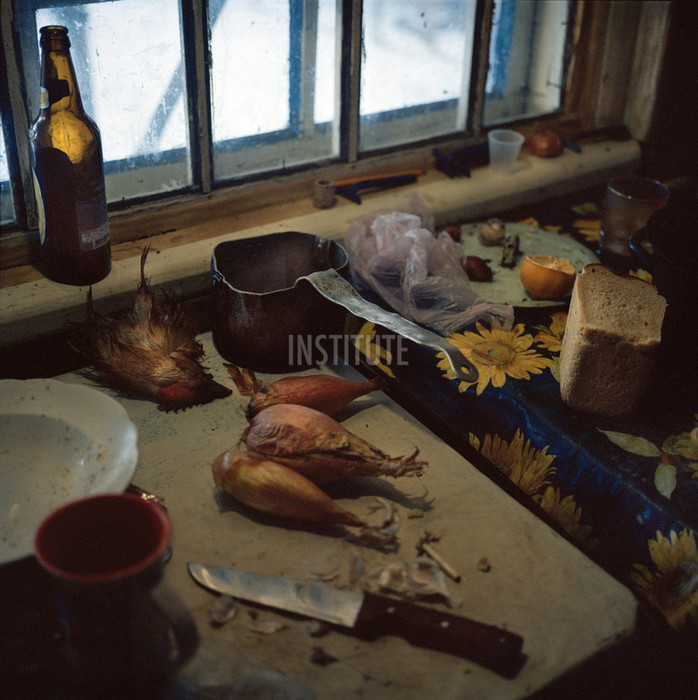 Rena Effendi, chicken for broth, 2010
The women live alone, on meager pensions, sustaining on their small orchards, harvesting radioactive food, burning contaminated logs and sneaking into the forests of the Zone to collect mushrooms and berries that are known to absorb radiation. The food chain has been contaminated with radiation, especially animals that consume local food, such as grain and vegetation from the zone.
|


