|
September 4, 2005
This image captures my way of seeing country music--it is morally conservative, republican in its politics, deeply religious, full of rural nostalgia of white rural Americans.
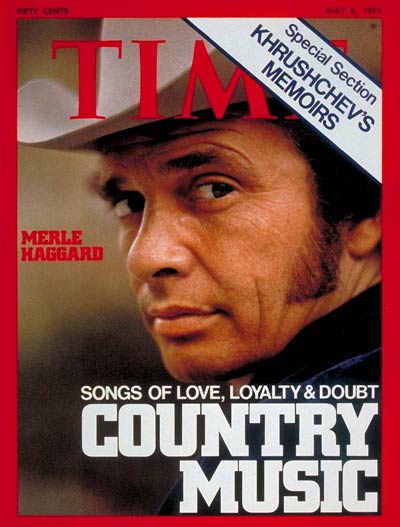
I see country music this way despite my fondness for the Grateful Dead's country roots-influenced music of the blue-collar 1970 Workingman's Dead. It was overlaid with references to the "hard travelling'/hard times ethos, populist sentiments about prison, running from the law and honorable outlaws and the troubles, trials, and tribulations of Southern poor and working-class white people. 'Workingman's Dead' return to their musical roots ignored the poor white's racism, xenophobia and support for the culture of imperialism.
I would acknowledge that southern white working people's single greatest contribution to American popular culture is their country music. From its humble beginnings as the music of a marginalized people, it has risen to become a multi-billion dollar global industry. Country dominates American popular music, and at its best the music expresses the experiences, sorrows, hopes, dreams, failures, love affairs in the dust and grit of ordinary rural life. Much of country music, despite its unreflective patriotism, really mourns the death of the American Dream.
My cliched view of country music---it's more unchanging musical tradition than experimentation--was challenged by this episode of the Lost Highway documentary, that I watched last night. The documentary covered country music I knew very little about apart from the names:--Buck Owens, Merle Haggard, Waylon Jennings Willie Nelson and Garth Brooks; and it mentioned some that I did know---eg., the cross over artists, such as Gram Parsons and Emmylou Harris.
What came through was the diversity of country music which was traced as it emerged in places such as Bakersfield, California and Austin, Texas. The counter tendencies to the Nashville country-pop style re- connected with, and developed, the honky-tonk heritage of Hank Williams, which was the first urban form of country music. This heritage is about travelling on a strange stretch of highway, songs about the poverty, loneliness, and anxiety of the poor man who has had a lot of bad luck and who lives with the blues. He sings of the hard times he has known in which everything goes wrong from love to work and which persists without any hope or solution.
The country and western music industry built in Bakersfield by Okie artists and entrepreneurs, especially Buck Owen and Merle Haggard had a "workingman's blues" take on country music and it challenged the supremacy of Nashville as the country music capitol. They expressed the sentiments, experiences and values of the Depression-era rural working class in an industrialized America in the 1950s and 1960s around alcohol, finances, death, fidelity, faith, broken hearts, trains, desire and the highway.
I know next to nothing about the musical work produced in the 80s by Steve Earle, Randy Travis, Dwight Yoakam, Ryan Adams and bands like Wilco, who are pushing country music into new areas.
What puzzled me was that no mention was made of Woody Guthrie in this tracing of the different voices of country music. Why is he excluded?
previous
|


yes, it takes a working class hero to steal the work of others.
what a poseur.