|
December 27, 2006
I watched a DVD of Prime Suspect's seventh series the Final Act, last night as part of our holiday viewing. This series is Det. Supt. Jane Tennison confronting her demons, battling alcoholism, and struggling with repressed rage and loneliness. Woman alone is the price of career. Lynda La Plante, who initially created the character of a female police inspector in a predominantly male world who wanted to one of the boys, parted company with ITV after the third series.
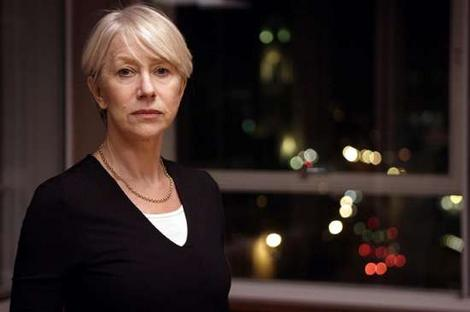
It was four hours of very good television, which is divided into two-parts, written by Frank Deasy.The DVD was copied by a friend of Suzanne's when it was shown on Channel Seven early this month. The adverts had not been edited out and they made for frustrating television. You become aware of just how much free-to-air television destroys good quality drama by chopping up the drama with its blocks of ads. 'Tis time to give free-to air the flick. They use good drama to generate cash flow from selling adverts to audiences.
As K-Punk points out the first three series were structured around career versus domesticity (very La Plantean/ Thatcherite). In an earlier post he says:
One line on her face is more expressive than most thesps' whole careers. A look, a faint change of expression is enough to carry the unbearable weight of Prime Suspect 7's great theme, mortality. Mortality threatens Mirren's Jane Tennison in many forms: her age (at one point, she sees herself in the mirror and seems unable recognise herself, an increasingly common experience as one gets older), doubts about wrong choices (the reproaches of empty hallways, address books full of names that she cannot call when in need of succour), the death of her father (the scenes with Frank Finlay, also excellent, imply a lifetime of evasions, frustrations and inadequately handled affections). There were at least three moments that provoked tears, and not cheaply.
A Final Act is equally about the character Det. Supt. Jane Tennison,and her problems with drink, depression and the impending death of her screen father andsolving a murder. She is facing retirement, has little to look forward to as she has been marrried to the job, and has few friends in her hour of need. The whodunit is secondary to Tennison's disintegration as a person.
|


I don't watch much television, other than cricket, but this was one series that I enjoyed. I love the gritty realism of British crime drama over the sensational glitzy Yanqui versions.