|
May 20, 2007
This post on the aesthetics of decay has arisen out of this this at philosophical conversations on anxiety and space. It's a space where philosophy meets photography.
I feel ambivalent towards urban decay--- the architectural ruin of derelict buildings and empty building sites. The ideology of progress holds that derelict sites are symbols of regression or failure, and they are quickly dismissed on account of them expressing an industrial city becoming a basketcase.
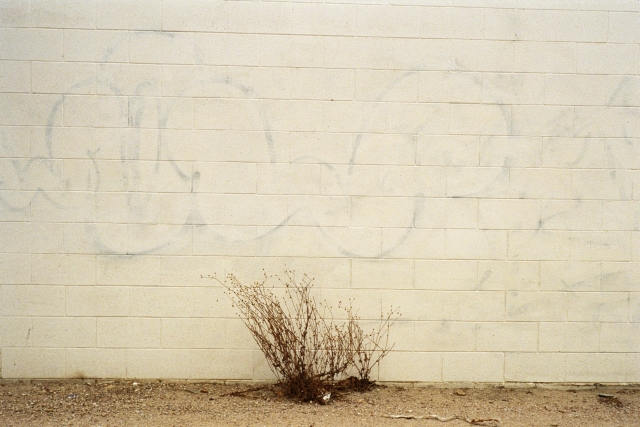
Gary Sauer-Thompson, decay, Adelaide, 2007
Yet some of the old abandoned pre-modernist buildings have a charm and beauty beneath the grime and dirt, whilst some of the new modernist buildings we live and work are phony and awful. They're expensive junk. The old are views as structures to be removed in the interest of renewal and urban planning, whilst the new building soon became objects of decay.
So cannot the modern ruin redefine progress by embodying decline? Could not the ruin or remnant embodies a mode of ‘critical memory’ at odds with the celebration of official monuments and sites of newness?
What needs to be avoided is the over-romanticized view that the relics of the industrial past should be respected, honoured, even saved for future generations, based not on their value as examples of architecture, but as mementos to long-dead workers and the tasks they performed. These are eerie spaces and the urban flaneur, contained in the alone-ness of these now-alien landscapes, is caught up in emotional shudders of anxiety and pleasure.
|


This is perfectly true. These ruins stand as testimony to past lives and industry, in a world where the scope of experience seems to be narrowing, these histories need preserving.
Working wharves, sites of manufacture,
old family businesses: all disappear beneath the gloss of mcmansionery, or prefabricated receptacles for holding the endless stream of consumer goods imported.
The aesthetics of decay, I love it. I used to make paintings about it.
Great post.