|
October 8, 2010
Art and Soul is showing at the NSW Gallery.The background is being shown on ABC by Hetti Perkins, senior curator Aboriginal & Torres Strait Islander art and it explores the diversity of Indigenous culture through three themes: ‘home and away’, ‘dreams and nightmares’ and ‘bitter and sweet’.
One of the artists mentioned in the first episode was Ricky Maynard, the Tasmanian based photographer.
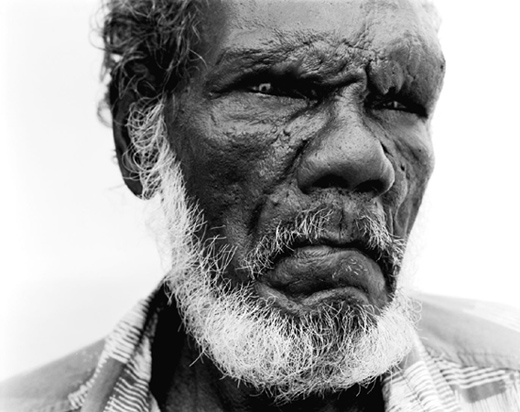 Ricky Maynard, Wik Elder, Arthur, 2000, from Returning to Places that Name Us series, Gelatin silver print
This series consists of black and white portraits of the struggles of the Wik elders those who had toiled so long for native title and the overturning of Terra Nullius.
Some 204 years after the British flag was planted on Australian soil, the High Court of Australia's 1992 Mabo decision established that native title is recognised under Australian law.However, the Mabo decision, and the subsequent Native Title Act, left unresolved the issue of native title on pastoral leases.
In December 1996, the High Court made another important decision in the Wik case. The High Court's Wik decision allowed the possibility that hunter-gather tribes on the Australian mainland could enjoy native title in co-existence with pastoral leases. All hell broke loose as pastoralists and state premiers were consumed by fear and loathing and who demanded that native title be extinguished, or wiped out, on pastoral leases. The Howard Government used the decision as an excuse to severely attack native title rights with its Native Title Amendment Bill, based on the so-called Ten Point Plan for native title.
The Wik decision was significant not only because it recognised native title rights on pastoral leases, but also because these leases cover a vast area - some 42% of the Australian land mass. The coexistence of native title provides the means whereby thousands of Aboriginal people, previously the backbone of the grazing industry, who were locked off cattle and sheep stations in the late 1960s and early 1970s, may gain some rights to their traditional lands.
|


