|
August 18, 2011
Another photographer in the core programme of the Ballarat International Foto Biennale 2011 is Osamu James Nakagawa, currently an associate professor at Indiana University in Bloomington, Indiana.
His Banta project explores the precipitous cliffs in Okinawa that fall hundreds of feet to the ocean below. These cliffs are called banta:
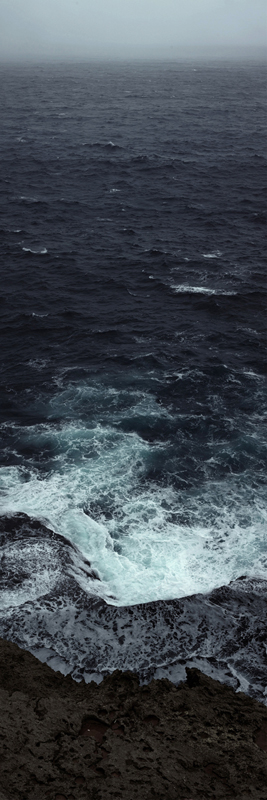 Osamu James Nakagawa, untitled, from Banta series, 2008
This body of work interests me because of the cliffs around the Fleurieu Peninsula that I am photographing---mostly closeups of the rocks rather than the cliffs themselves.
The reason for that is because I find the cliffs difficult to photograph. Hence my respect for Nakagawa's work:
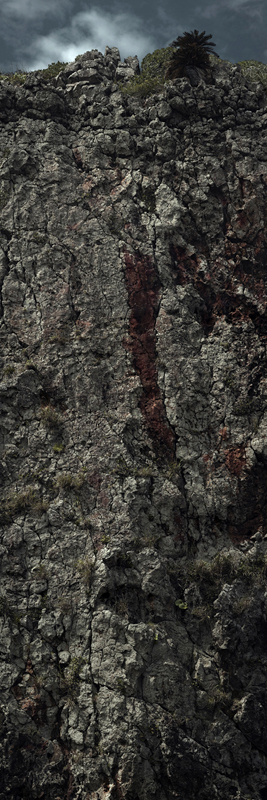 Osamu James Nakagawa, untitled, from Banta series, 2008
These seemingly classic landscape photographs have been “digitally-manipulated”. Aesthetically, the reference the sharply focussed and highly detailed images of photography’s past. But Nakagawa’s digitally manipulated images are laden with a heavy historical and emotional weight.
The post-war history of Okinawa has left the island situated between America and Japan. For over 25 years the island was controlled by the United States. In 1972 it was returned to Japan, but Okinawa is still home to 75 percent of U.S. military bases in Japan. Okinawa's civilians, caught in the midst of the battle between American and Japanese troops and subject to war propaganda, took their lives on the cliffs.
|


