|
June 2, 2006
Mississippi has given the world is a genre of music that has been called America's only truly original music - the blues. Born among the sharecroppers and plantations of the Mississippi Delta, performed and developed in the segregated bars and juke joints, by musicans anxious to be independent from farm salary; migrating with of many blacks from the agricultural south to the industrial north; it also spawned rock and roll, soul, and other styles.
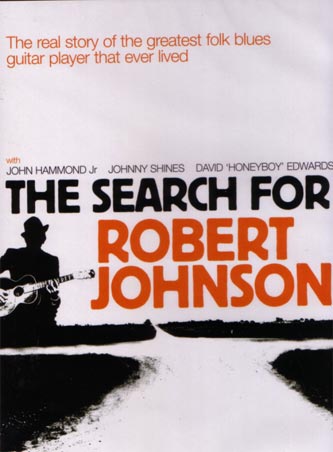 It was a documentary that aimed to uncover the truth about Robert Johnson whose life of a wandering minstrel of a musician in the 1920s and '30s was shrouded in mystery. It was a documentary that aimed to uncover the truth about Robert Johnson whose life of a wandering minstrel of a musician in the 1920s and '30s was shrouded in mystery.
The documentary was boring. However, it showed that the Mississippi Delta area is one of the most impoverished regions in the US and put some context around Johnson.
Yet Robert Johnson is probably the most famous delta blues singer and guitarist in history, and the one who has been the most mythologized.
This is a country bluesman pictured as a hunched and shadowy figure shouldering his guitar down a lonesome road on the outskirts of town giving expression to the dark side of America, where there was no redemption, salvation or joy.
Though he recorded fewer than 30 songs over a single seven-month period in the 1930s, he has had an enormous impact. Johnson's blues are the innovative distillation of what came before him--- a synthesis of earlier music of Charlie Patton, Skip James and Son House, and a part of a much broader black music culture in the first half of the 20 th century.
Delta blues strike the ear as being stripped down to the essentials. There is very little ornamentation and the vocals are often harsh and raspy, like field hollers. The songs are generally very serious in nature. The instruments often have a powerful, driving rhythm that accelerates as the song progresses.
|


"The instruments often have a powerful, driving rhythm that accelerates as the song progresses."
It was dance music back then.