|
May 6, 2007
I'm continuing to work my way through the classic albums series. I've just watched the DVD on Fleetwood Mac's Rumors. Suprisingly, it was one of the poorer DVD's in the classic album series. Suprisingly, because Rumours is stylised pop music, which expressed the emotional turmoil of broken relationships experienced in the band at that time, and is well known from the constant radio overexposure.
Since Fleetwood Mac stand for 1970s rock lifestyle excess why not look at the formation of rock culture at the point just prior to the new conservatives begin to regulate the possibilities of pleasure and identity as the basis of cultural opposition and they begin their cultural war to dismantle the cultural and political field constructed in the 1960s.
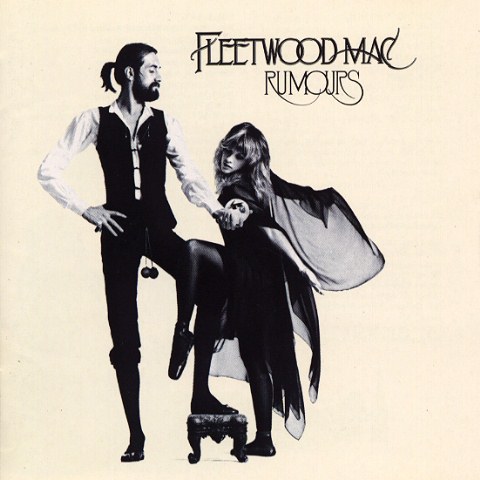
This is the highpoint of the Lindsey Buckingham/Stevie Nicks/Christine McVie-incarnation of Fleetwood Mac. Buckingham is the primary architect of the post-'75 Fleetwood Mac sound. Though the band was named after Fleetwood and McVie they were rarely more than just a solid but trusty rhythm section. What was produced was different from, and effectively deconstructed, cock rock but had nothing to do with the noise aesthetic--- the clamor of the everyday as a form of musicality. There is little consideration given to exploring the contested boundaries of music and noise here.
If Rumors is slick and commercial, the raw emotion gives it a core that sparkles. Commercial and artistic accomplishment coincide. So we have a classic album that defined and directed the mainstream and made Fleetwood Mac a significant musical presence. We have pop sensibility whose melodic expression of feelings, fill in and defin the cracks in our everyday lives.
The commercial and artistic success of Rumors melts the hard edged division between rock and pop that is often seen in the views that 'rock is not pop' and 'rock rebels against pop'; views that are used to express the desire for "authentic" music. Thus rock is authentic pop is not--eg., Eric Clapton's playing is 'authentic', an attribute which transferred to his membership of the first 'super-group' Cream.
Thus Dave Marsh, the American music critic, writes in his first biography of Bruce Springsteen (Born to Run, 1979) that:
...over the past decade, rock has betrayed itself. It gnaws at my marrow to recall a hundred sellouts, from the rock opera movies that were all glamour and no heart, to the photos of rock celebrities with international jet-set fugitives. The inevitable result was records that were made not with feeling but because there was a market demanding product, and concerts performed with an eye only toward the profit margin. Rock became just another hierarchical system in which consumers took what was offered without question. Asking who was fake and who was for real used to be half the joy of the thing. (p. 6)
For Marsh, as for many rock fans, it is the idea of "feeling" that is at the heart of experiencing rock music. What we have is a division between rock as folk music (live performance) and rock (recording/reproduction) as commercial mass culture. The old folk ethos stands for making music with conscience and meaning.The implication here is that any listener hearing the voice of Bruce Springsteen, let us say, will immediately perceive the truth of his expression. Moreover, the authenticity of experience occurs when a Springsteen performance succeeds in conveying the impression to a listener that that listener's experience of life is being validated, that the music is 'telling it like it is' for them.
On this authenticity critieria Fleetwood Mac are just a glamorous pop band writing pop tunes - but with a refined, exquisite, personal, intimate, and occasionally mildly experimental touch? Isn't the dominant musical order popular music-- the music of television, of radio, of advertising -- the music of everyday life that is constantly technologized and easy, non-confrontational listening? So shouldn't we think in terms of rock and roll as an umbrella term (rock formation) for a wide variety of popular music as opposed to the rock equals rebellion and commerce kills rock ethos?
Aren't we living in a world of changing technology; a world where standard categories of listener and presenter of music are breaking down, where consumers of music can become their own producers. Listeners are no longer passive, repressed consumers, held in thrall by an alienating technology, but instead have become active participants in the creation and dissemination of modern popular culture thanks to file sharing technologies
|


