|
November 27, 2012
Place 2012 is a spring festival of art, architecture and design which explores and celebrates our sense of place during September, October and November. The spring festival of art, architecture and design is aimed at invigorating a broad conversation about the value of great places. The Adelaide City Council's Snap Your City, Your Place photography competition is a part of this festival.
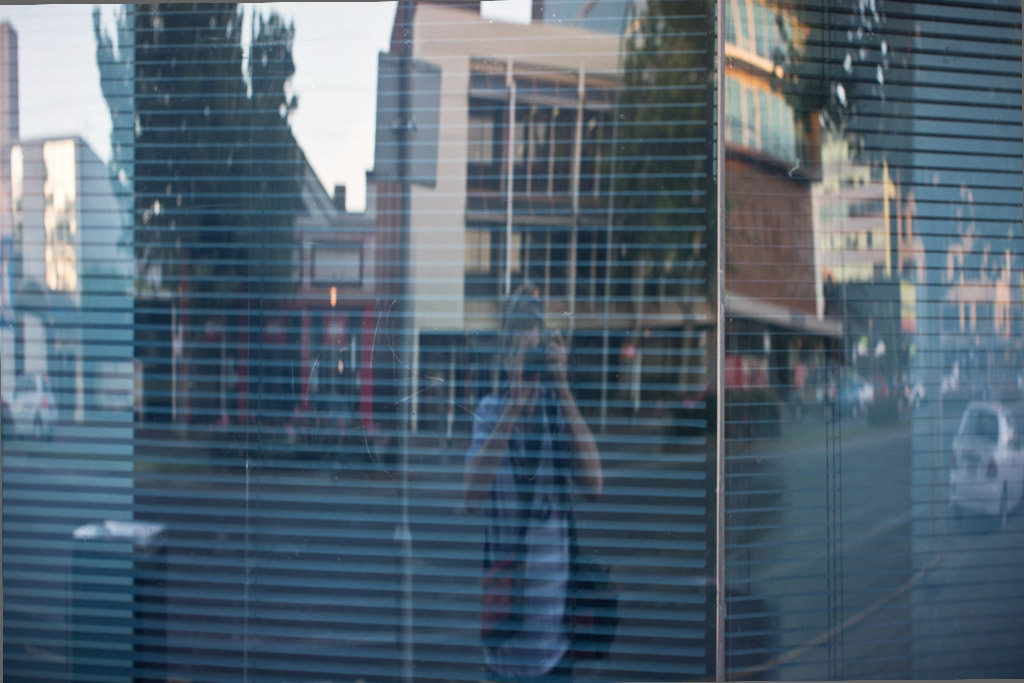 Gary Sauer-Thompson, reflections, Adelaide, 2012
Place12 has continued the civic conversation on the future of Adelaide begun by the 5000+ project, which was a design-led project for the redesign, renewal and reactivation of inner Adelaide that emerged out of the work of 2009 Adelaide Thinker in Residence, Professor Laura Lee.
Adelaide had been planned around defined zones, creating a 'work' zone – the CBD (central business district), the factory, etcetera, a 'living' zone (our suburbs), and a 'rural' zone (the green bit where farmers and livestock worked and lived). Now we realise that zoning has produced many of the issues we face today, such as traffic congestion when we empty the suburbs each day to travel to our jobs in commercial centres.
In the past, designers were often brought in at the end of the planning process after all the major decisions had already been made. Integrated design brings everyone together from the beginning – the designers, architects, artists, Councils, Government, builders, planners and community. Headed by theIntegrated Design Commission SA, the project embraces a collaborative way of working by involving design and planning professionals, government, business, industry and community to imagine and design a Adelaide city.
Place 2012 livens up the inner city. Revitalizes it through artistic activity --art, architecture and design. Does it address the problem Ianto Ware raises here:
South Australia needs risk takers and innovators. It can’t compete for the top of the food chain, but it can definitely compete for grassroots and start-ups, and it could grow them. It would need to let this happen organically, because that’s how innovation works. Unfortunately, the ‘risk averse’ regulatory environment, combined with a remnant faith in ‘top down’ culture left over from Dunstan, hinders its capacity to recognise, let alone grow, this smaller, less glamorous portion of the cultural environment and knowledge economy.
Does Place 2012 help to foster Adelaide as a city where they can innovate and make their own ‘vibrancy’ than live in a city where civil servants supply ‘vibrancy’ like it’s a service akin to rubbish collection or street sweeping?
|


